Where the wells are around Hayden
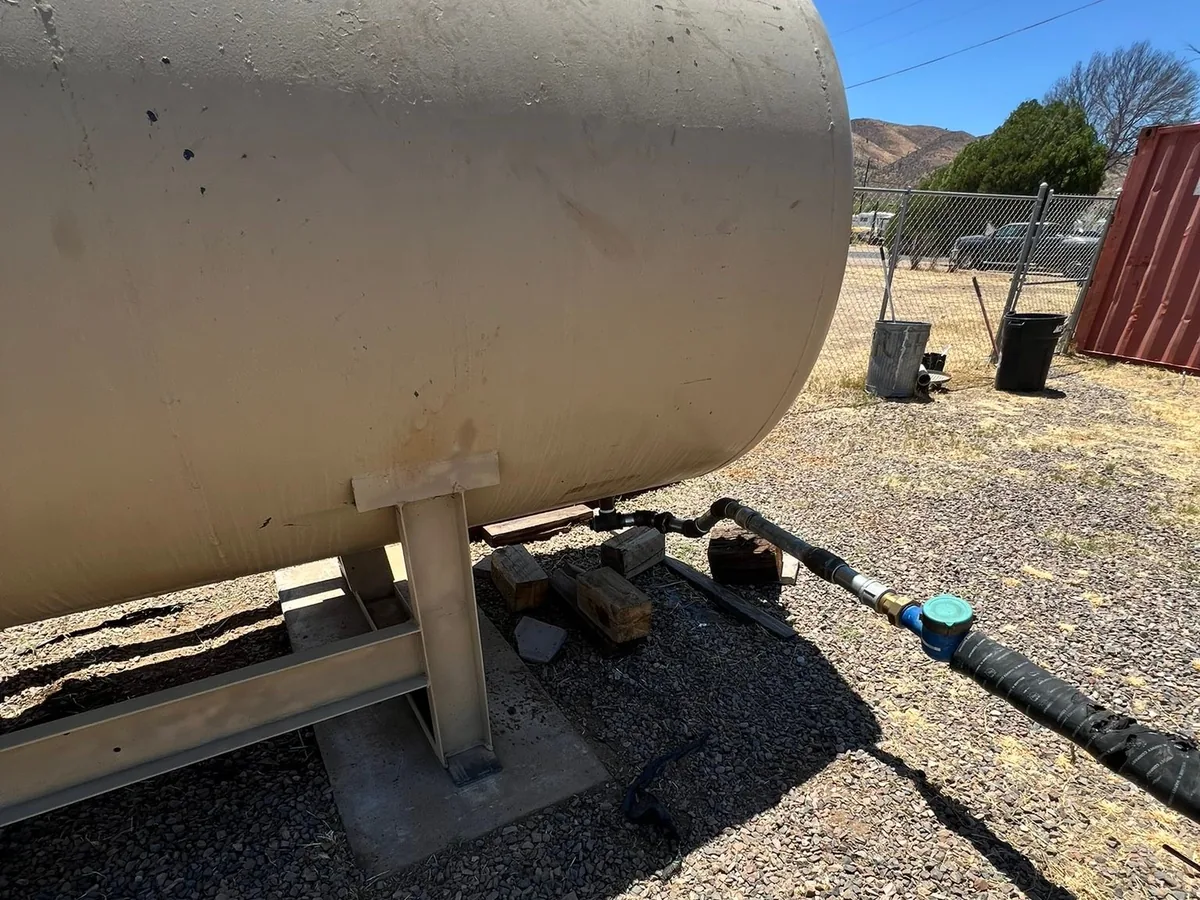
Hayden is a small town in a narrow river valley, and everything here runs on groundwater. The town system pumps from wells in the valley. Step outside the town and each place has its own well, its own pump and its own tank.
Depth depends on where you sit. Published USGS records for wells in the river bottom here run mostly under about 150 feet. Back up in the hills and side canyons, wells go into the hundreds of feet. That gap decides the pump, the wire and the pipe we load on the truck.
Wells in Arizona are registered with the Arizona Department of Water Resources. A household well that pumps 35 gallons a minute or less is an exempt well. The state record for a registered well often shows how deep it was drilled. Dig that number up before you call and we can size the job closer.
A smelter town on the Gila
Hayden went up in 1912 to house the men working the Ray mine and the copper smelter. Smelting has been going on at that site since 1909. The stack above town stands about 1,000 feet tall.
The concentrator shut down in 2015. The smelter has been idle since 2020, and a restart still waits on state and federal approvals. A few hundred people live in Hayden now, with Winkelman a mile south.
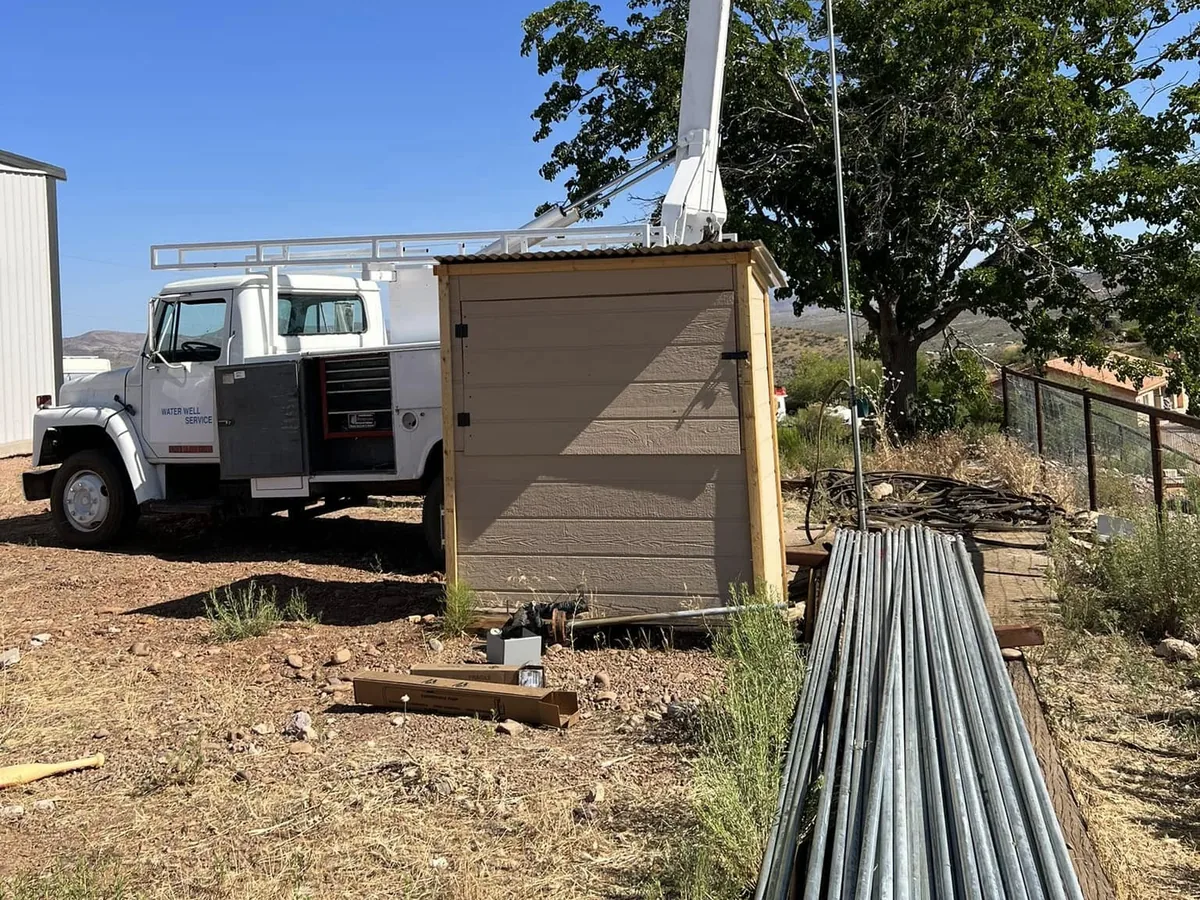
What all that means for water is plain enough. This is a small town a long way from a parts counter. When a pump quits outside the town system, somebody has to drive in with parts and a rig. A home or a herd with no water moves to the front of the schedule.
Why do well pumps fail down in the river bottom?
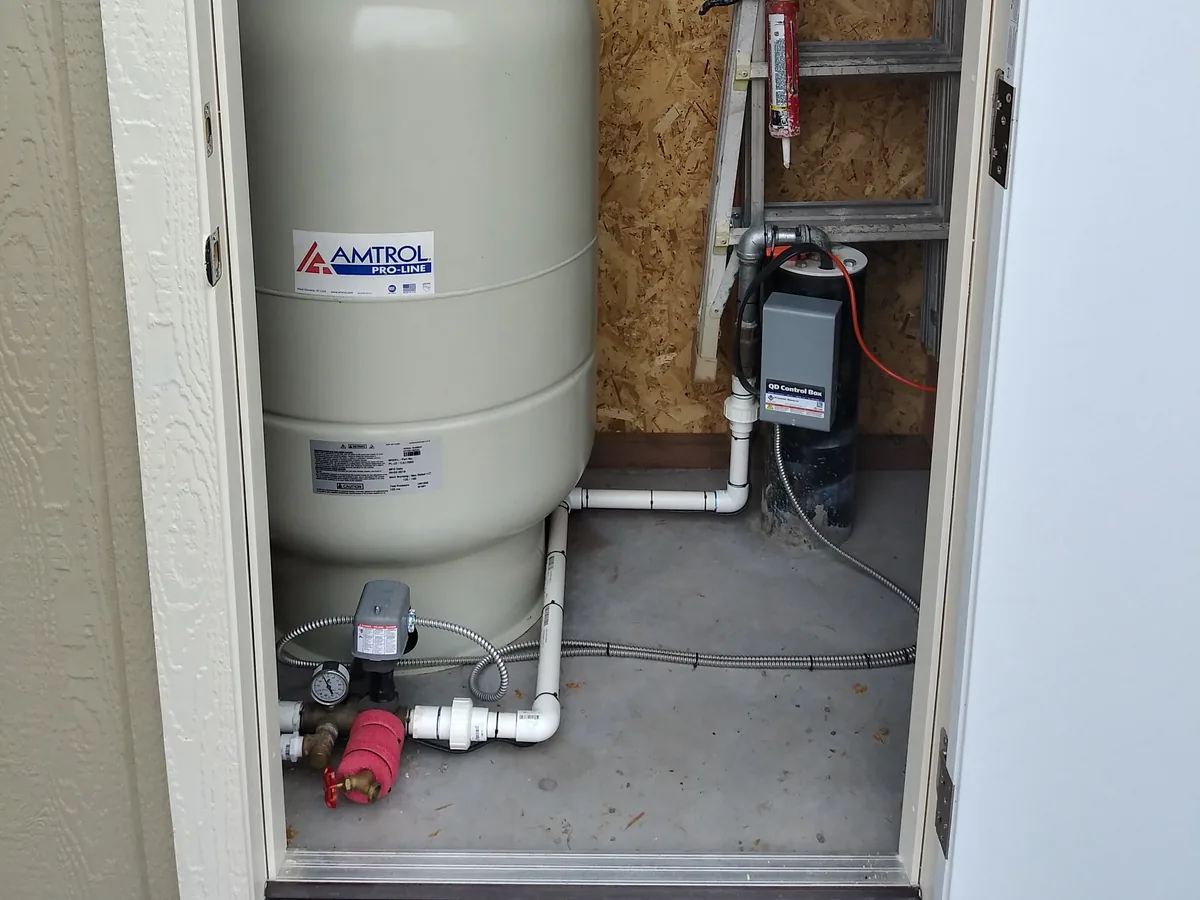
Heat is the first thing that shows up. Hayden sits low, and summer in this valley is hard on anything electrical. Burnt pressure switch contacts, a cooked control box and a long running motor turn up together. On site we test the electrical side before anything gets pulled.
Then there is the rain. NOAA's long term numbers for this stretch of the Gila average about a foot a year. July and August carry the biggest share, and it arrives as storms. Lightning takes out pump motors, control boxes and solar controllers.
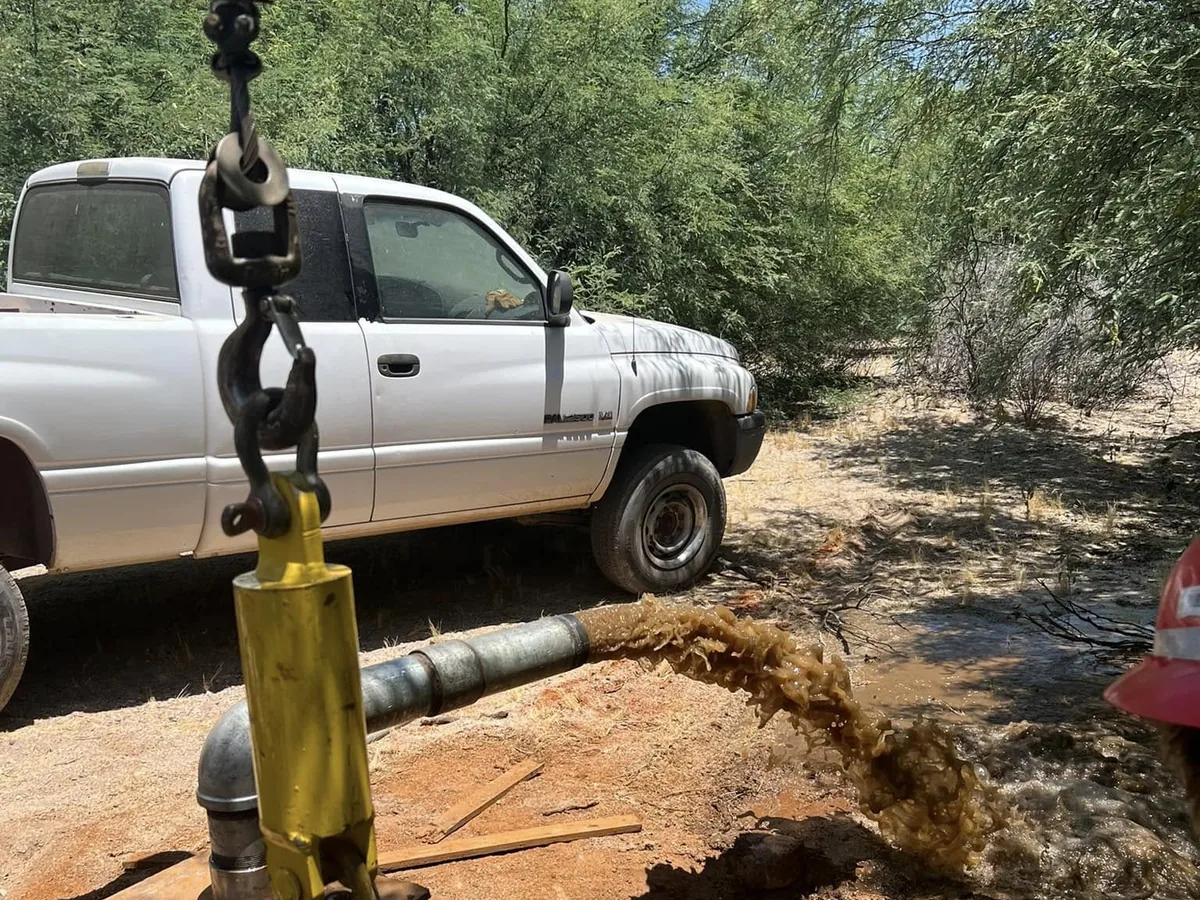
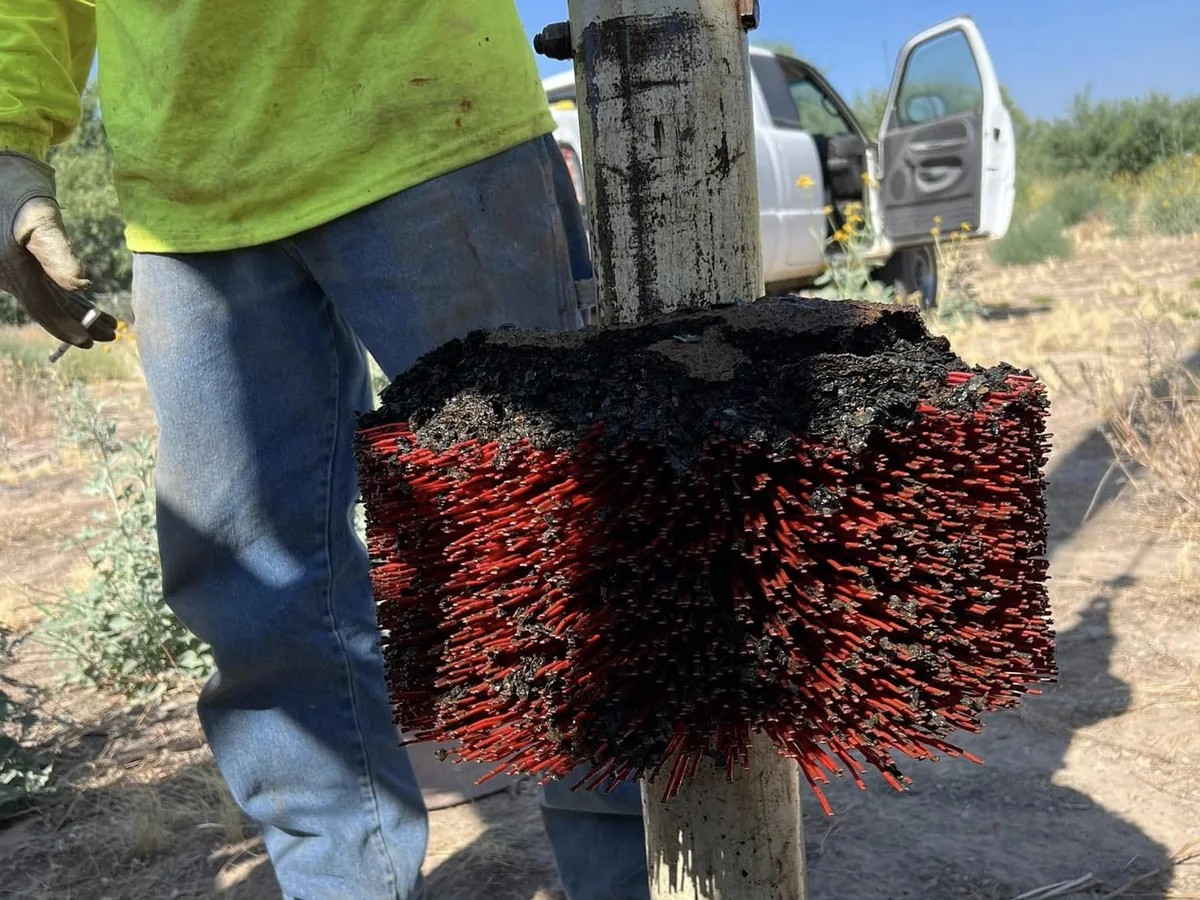
Sand is the other one. Wells down in the river bottom sit in sand and gravel, and sand wears a pump out early. Grit in the bottom of the tub or water that spits air is worth a call. A well that filled in over the years may need cleaning the well out first.
Ranch and stock water in the hills around Hayden
Past the pavement the water job changes. A stock well feeding troughs has to keep running when nobody is standing there watching it. That usually means a well pump, a storage tank, a float and a pipeline out to the troughs.
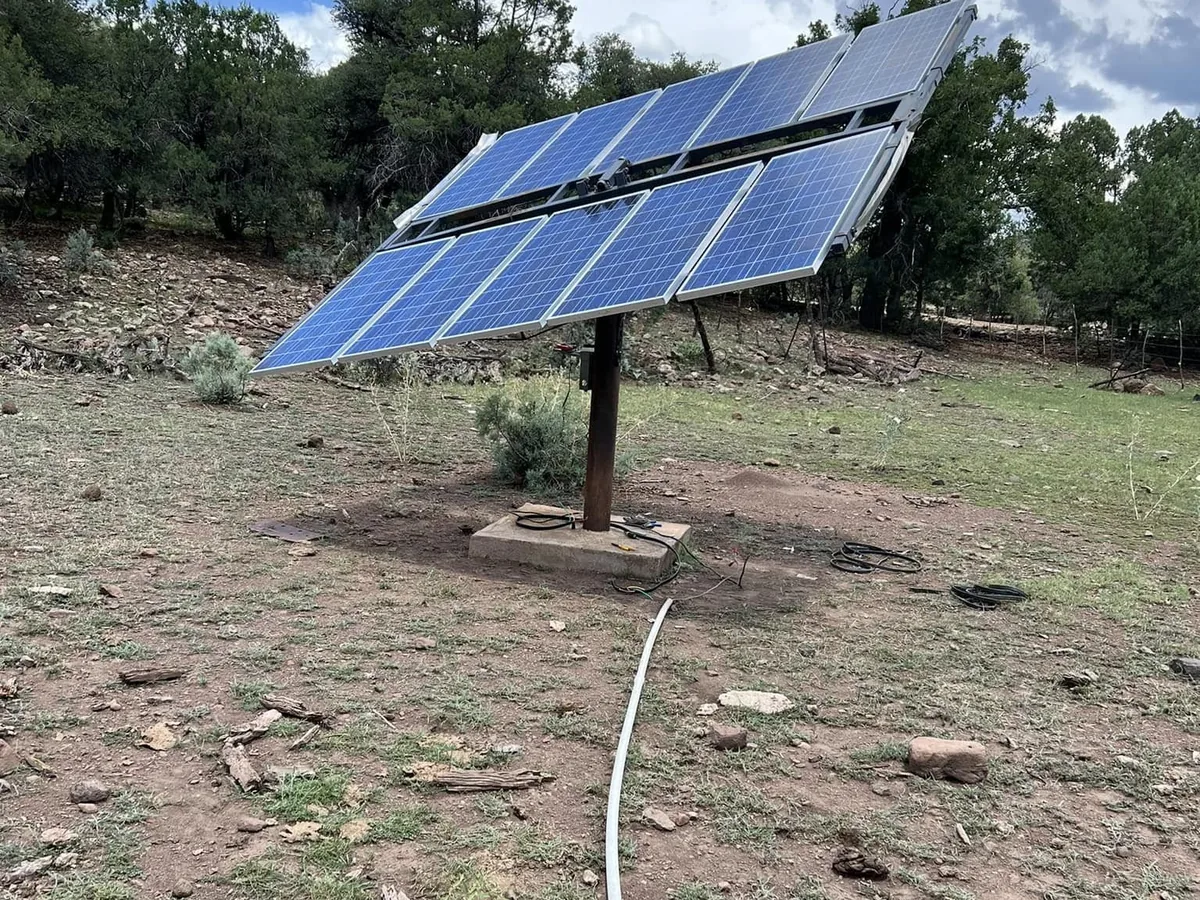
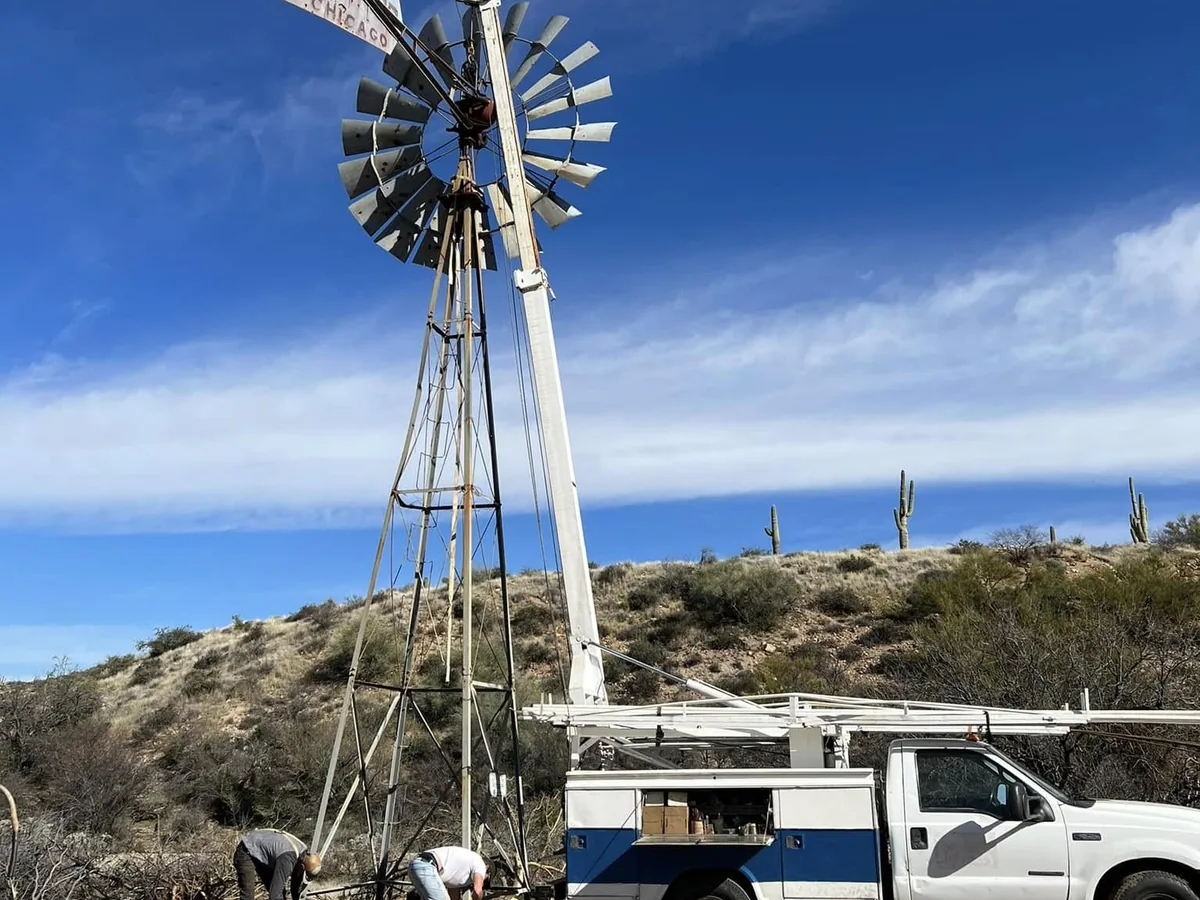
A lot of that country has no power line worth running out to. We set solar well pumps on ranch and stock wells out there, including deep ones. The tank does the work a battery would do. Where a mill is still standing, windmill work keeps it pumping: gearbox oil, new leathers, sucker rod and cylinder.
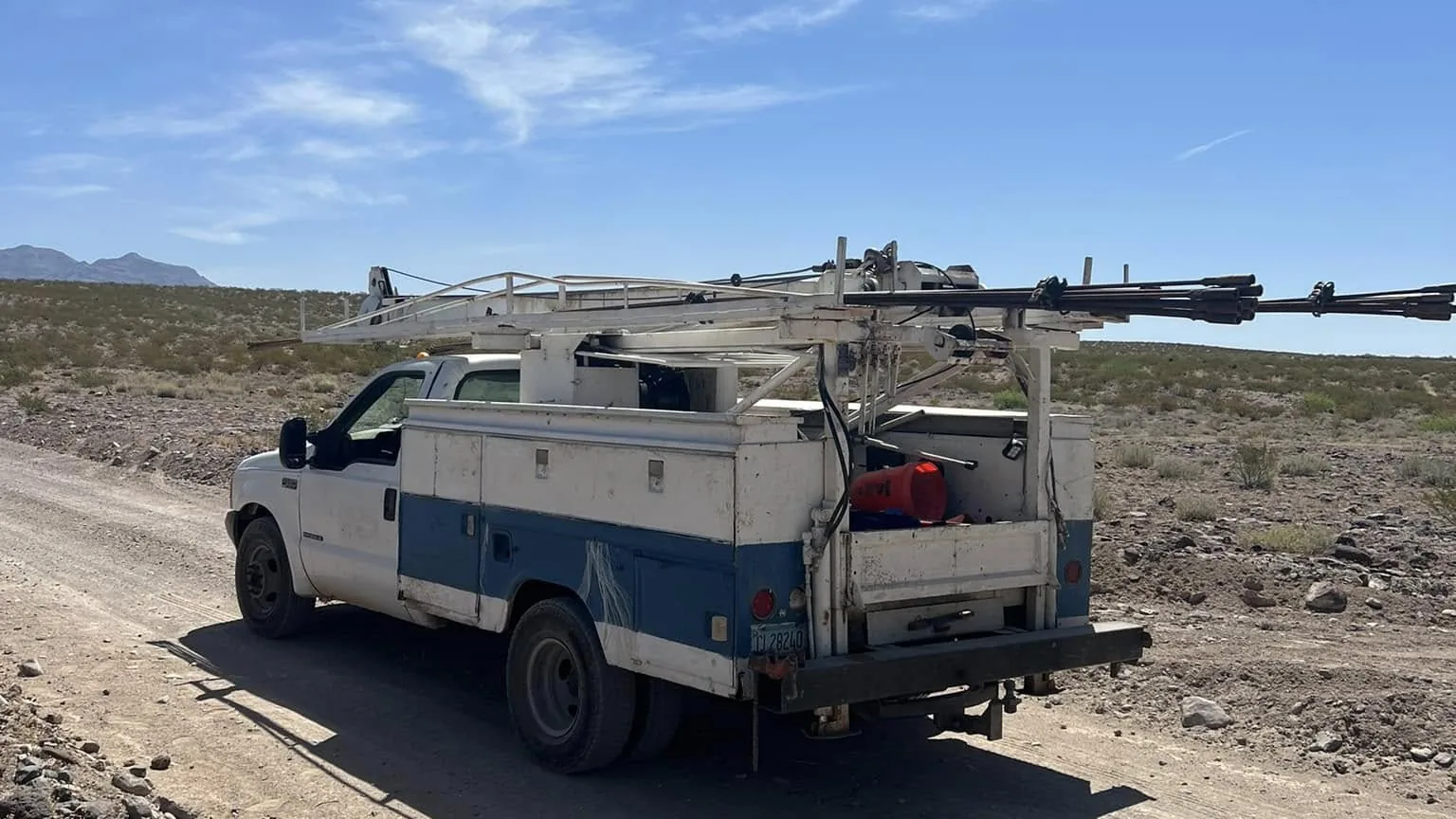
We bring our own pump hoist rig and fishing tools. Rod and pipe that broke off down the hole can come back out. The road in matters about as much as the well does. Tell us what the last mile looks like, and whether a truck can reach the wellhead.
Communities and areas we serve around Hayden: Winkelman, Hayden Junction, Christmas, El Capitan Canyon, Dripping Springs Valley, Kelvin, Riverside, Dudleyville, Kearny.
Hayden ZIP codes served: 85135.