Well pump repair around Whiteriver and Canyon Day
Private well country here starts where the town system stops. That means houses on the edge of the communities, wells on range land and stock wells a long way from any line. Canyon Day, Fort Apache, East Fork, North Fork and Seven Mile all sit in the White River drainage within a few miles of town. Cedar Creek and Carrizo are farther west and higher up, and the ground out there is more spread out.
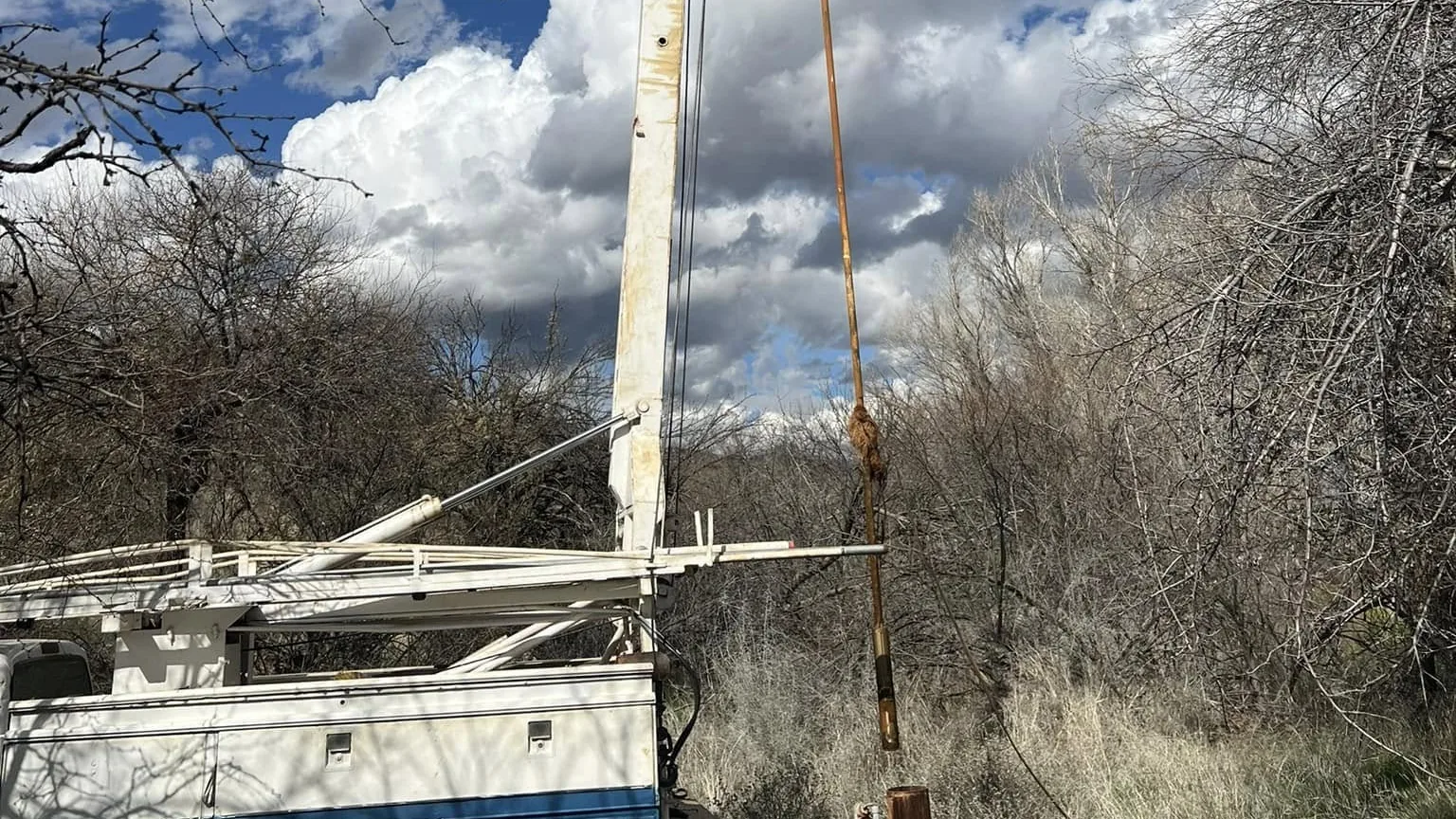
When a well quits, we test the electrical side before anything gets pulled. That means the pressure switch, the control box, the wiring and the motor's readings. Some no-water calls turn out to be a switch, a box or a bad splice. When the pump does have to come up, we bring our own pump hoist rig.
The rig pulls and sets pumps and pipe, and it is also what we fish with. Pumps and drop pipe do break off down a well, most often where old galvanized pipe has rusted through. We carry fishing tools for that work. While the pump is out we check the drop pipe, the wire, the check valves and the well seal, and say what should be replaced.
What does a Whiteriver winter do to a wellhead?
The weather station just outside Whiteriver has a long record, and it is a cold one. Across complete years of that record it logged around 140 nights a year at or below freezing. Snowfall there averages a bit over a foot a season, and some winters run far heavier. Globe sits near 3,500 feet and rarely gets that, while Whiteriver is close to 1,700 feet higher.
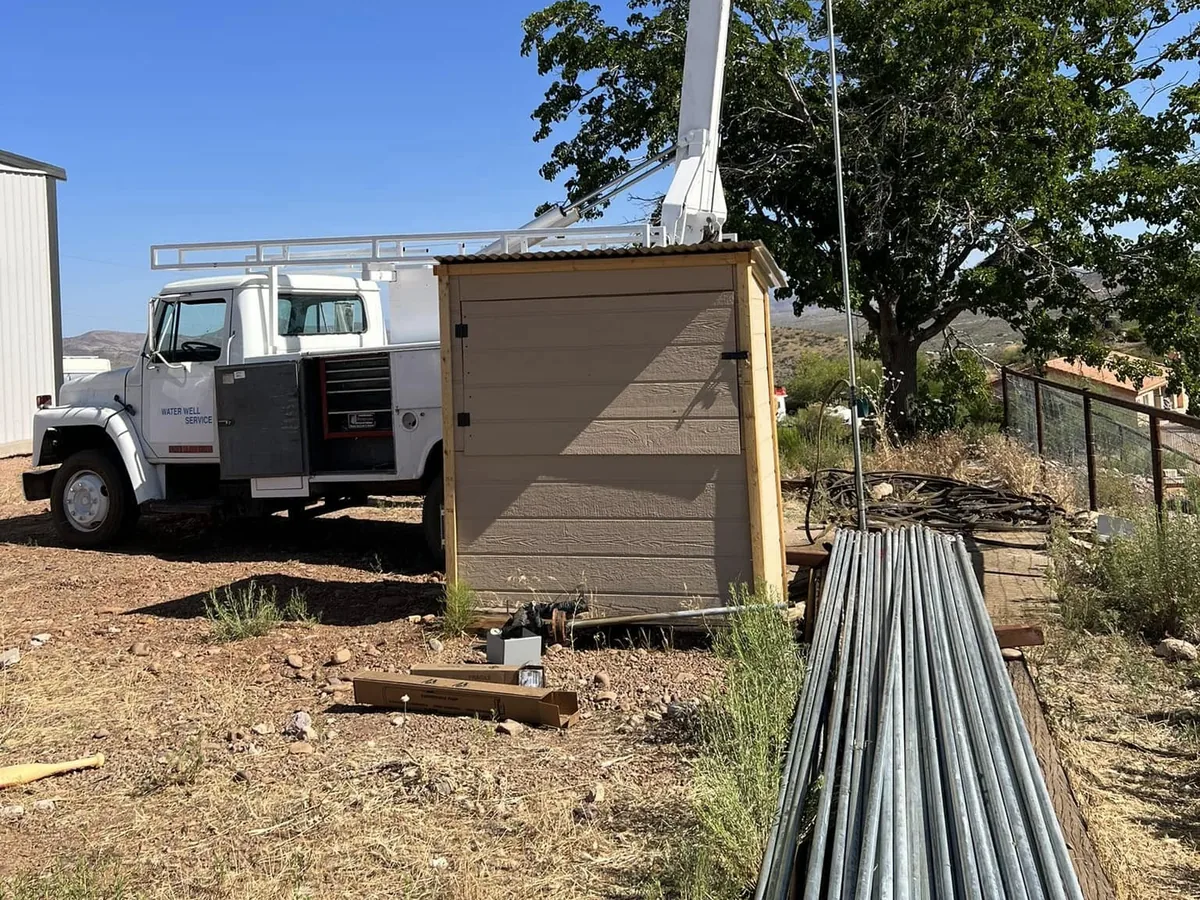
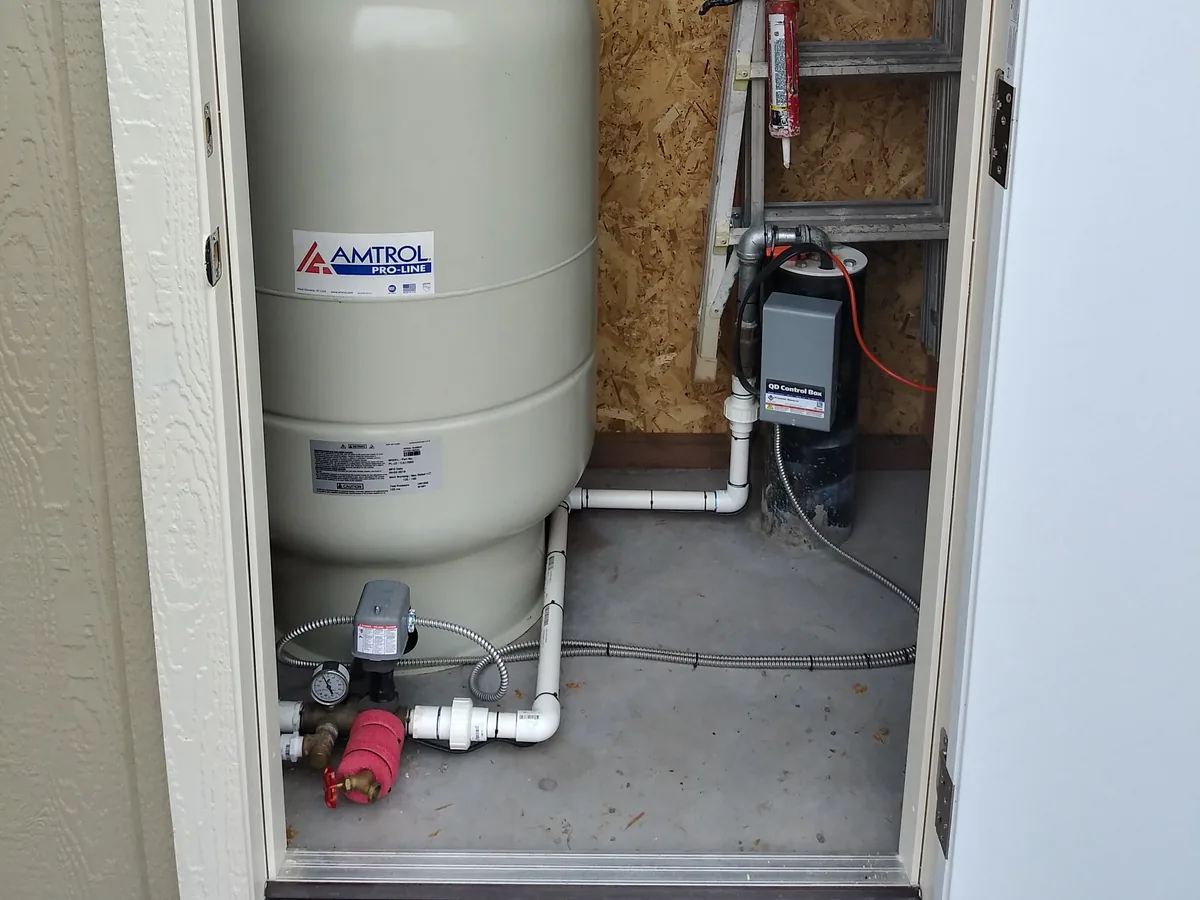
Cold like that is hard on anything above ground. A wellhead standing in the open, a hose bib or a run of pipe along an outside wall can all split. The pressure tank and the pressure switch and gauge are the usual casualties, because they often sit in an unheated pump house. Water inside a switch or a gauge freezes, the part cracks, and you find out when the pressure drops.
Summer brings the other problem. The National Weather Service puts the Arizona monsoon from June 15 to September 30, with northern Arizona usually not wet until the first week of July. Storms build in the afternoon and evening, and lightning is the part that reaches a well. It comes in on the power line or the well wire and takes out control boxes, pressure switches and solar controllers.
Ranch and stock water in the high country
The Fort Apache Reservation runs to roughly 1.7 million acres, and a large share of it is grazing country. Out on range like that, the water comes off the well, the spring and the storage tank. There is no town line to tie into, and running power out to a stock well is often out of the question. A stock well that goes down leaves the tank dry and the cattle standing around it.
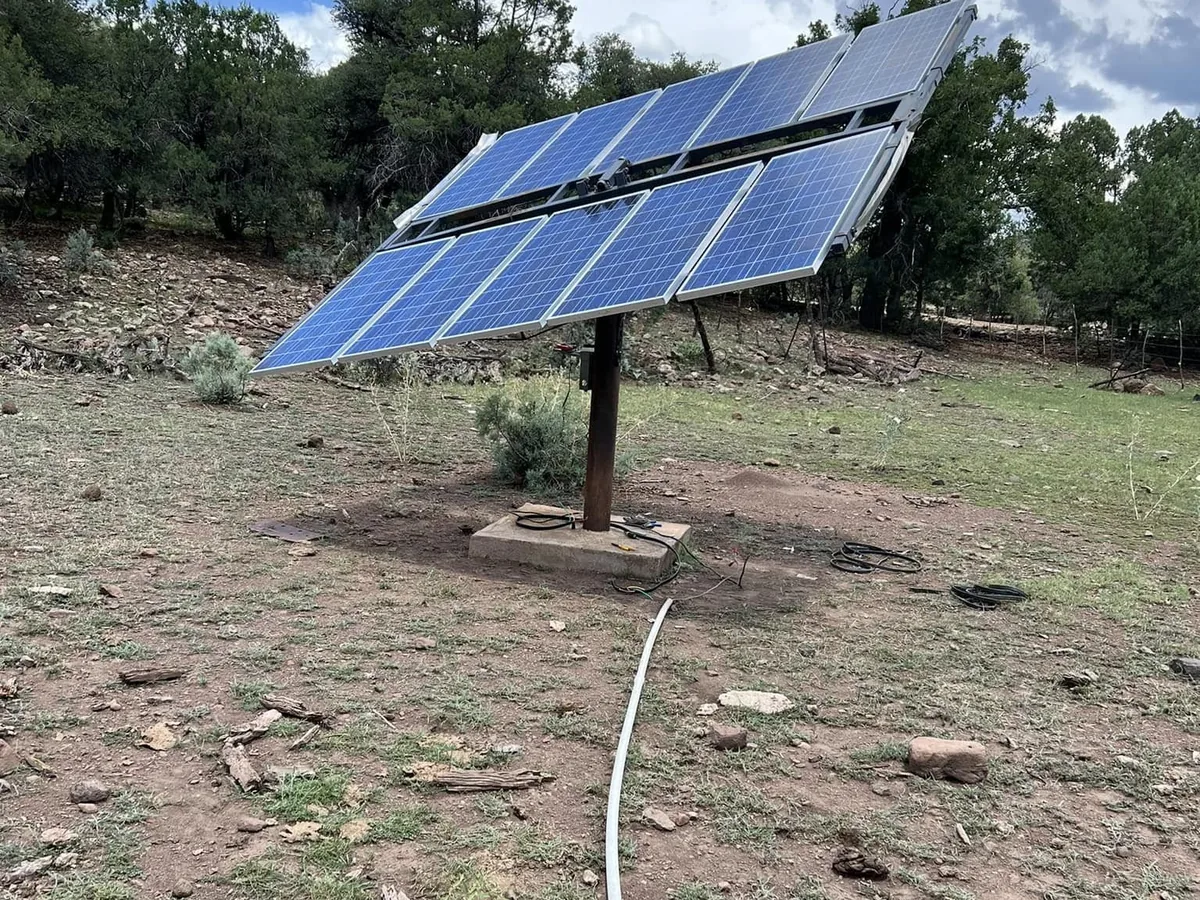
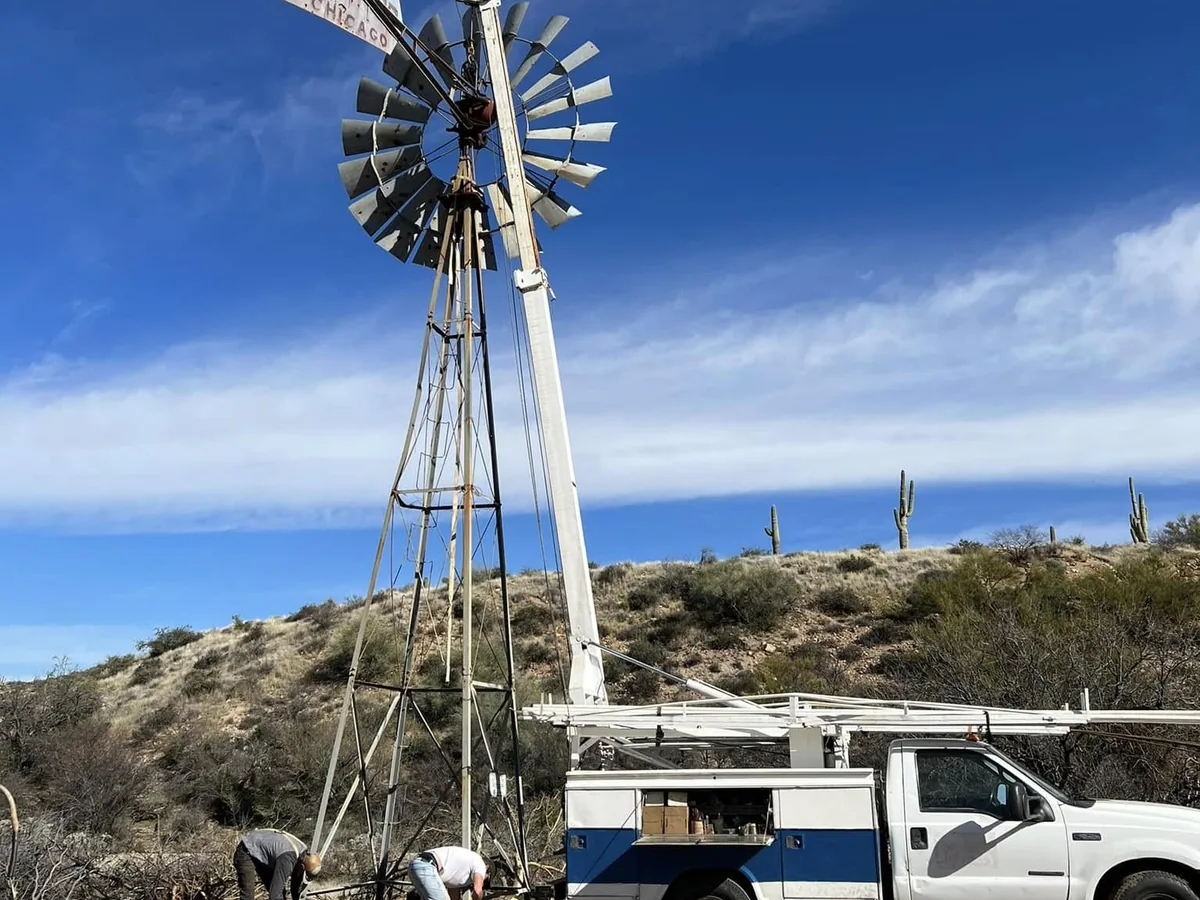
Solar well pumps fit that country. An array, a controller, a DC pump and a float switch fill the storage tank while the sun is up. We install them, deep wells included, and we repair and service existing systems. Where a windmill still does the pumping, windmill repair means gearbox oil, new leathers and check valves, sucker rod and drop pipe.
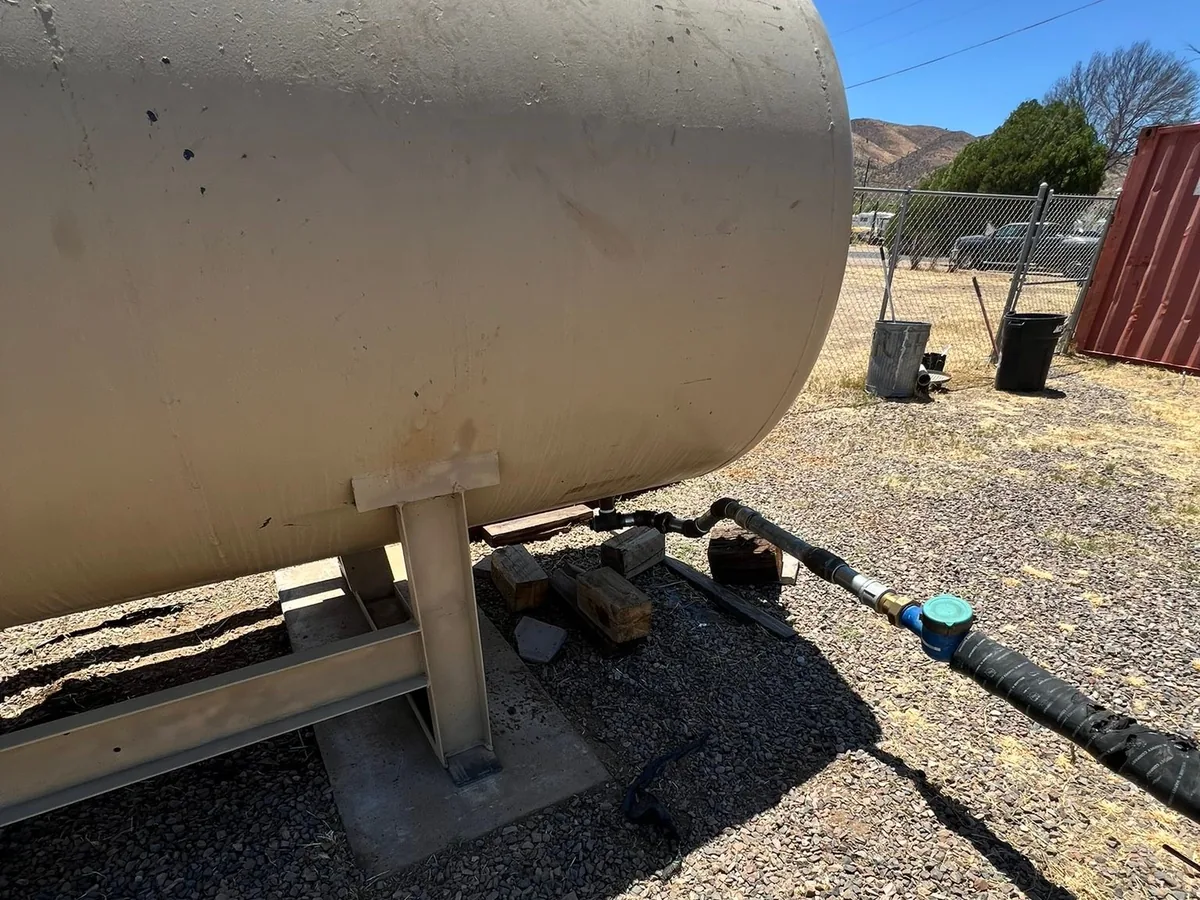
Storage is the other half of a ranch water system. We plumb steel and poly tanks to the well, then on to the house or the troughs. Float valves, float switches and long runs of black pipeline carry the water where it is needed. We also patch and rebuild rusted steel tanks and the stands under them, and set the booster pump that pulls from storage.
Who regulates a well in Whiteriver?
Arizona's well rules run through the Arizona Department of Water Resources, which registers wells and keeps the state well registry. Those rules cover land under state jurisdiction. Whiteriver is on a federal Indian reservation, where federal and tribal law apply instead, so the state registry may hold nothing on your well. What is required before work starts is a local question, and it is worth asking before anything gets scheduled.
Without a state driller's log, the well has to tell us its own story. How deep the pump is set, what pipe and wire are on it, what the pressure does through a cycle. Any paperwork you have helps, even an old invoice or a hand drawn sketch. If nobody knows the depth, we can measure it once the pump is out.
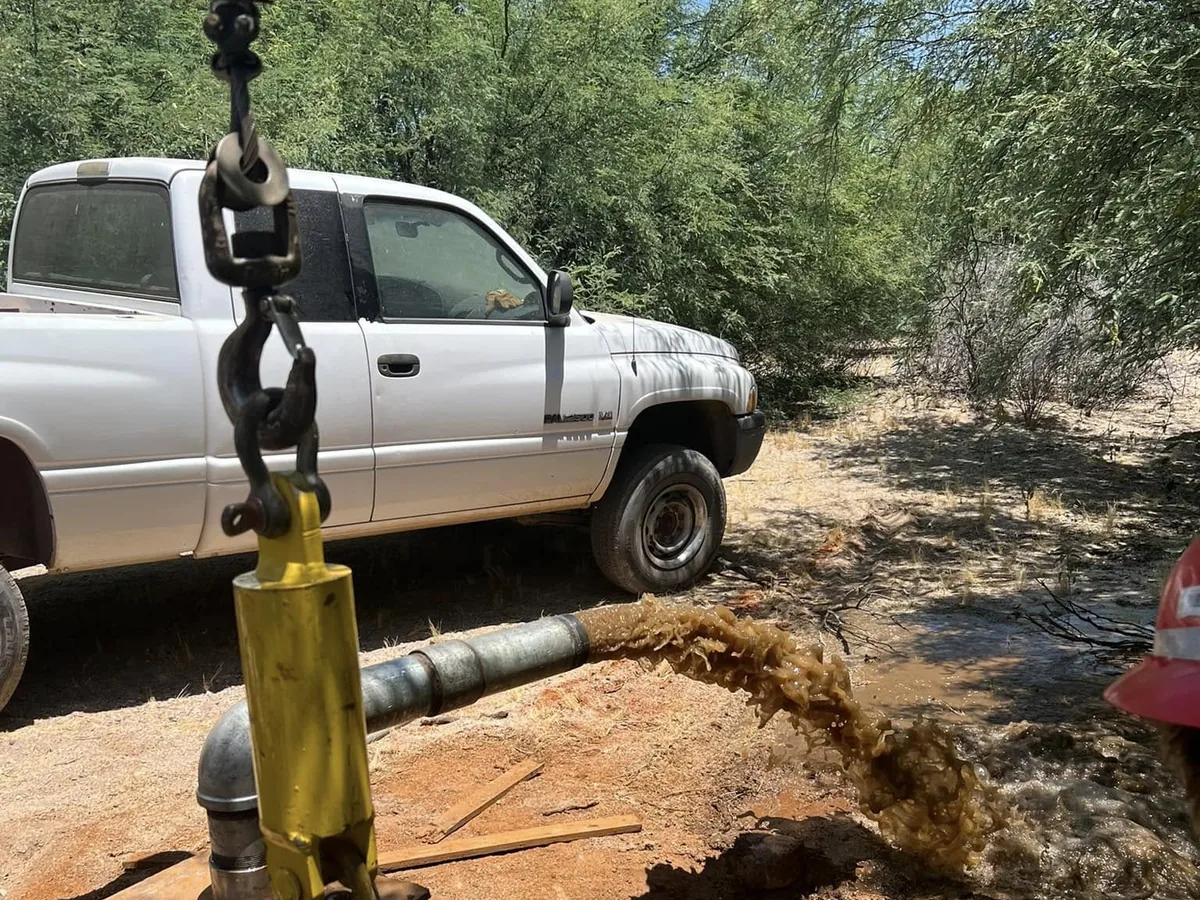
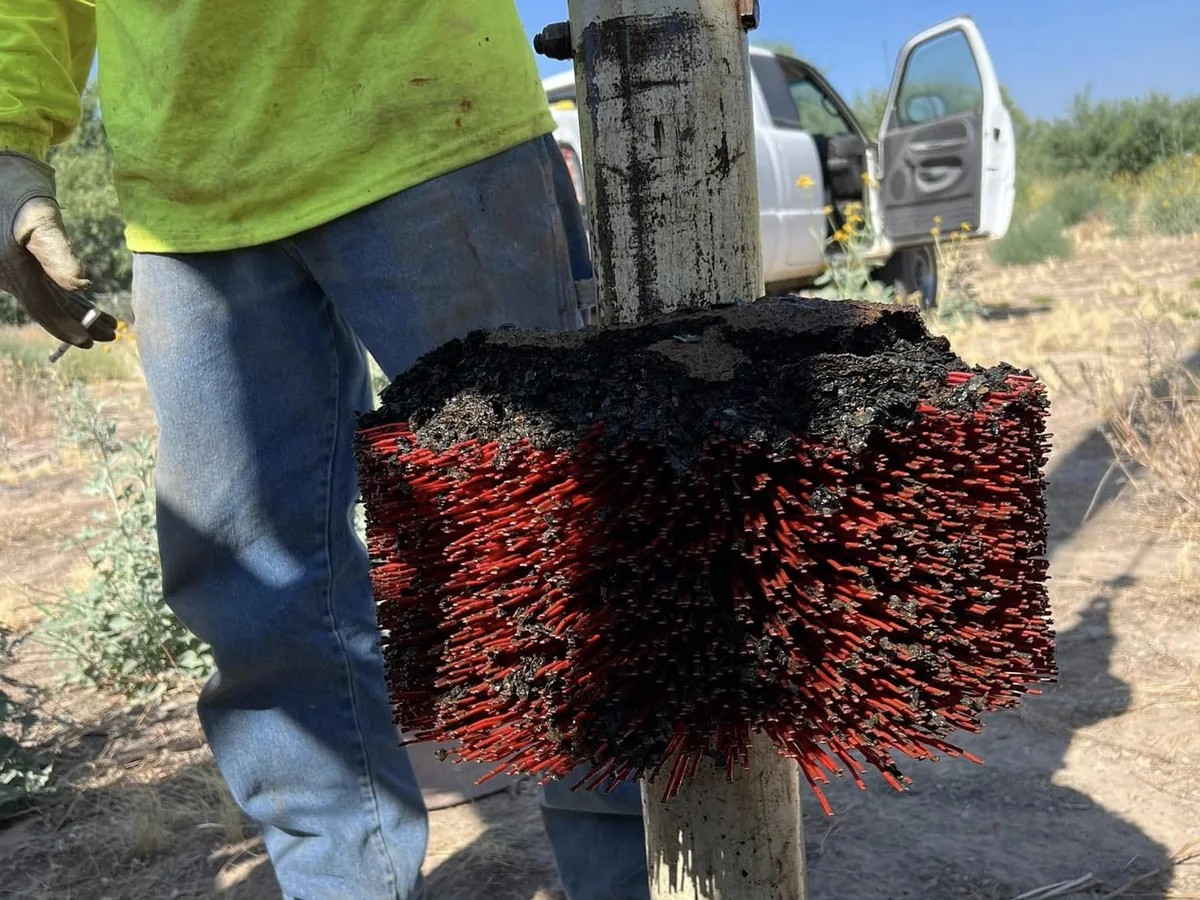
An old well that has filled in with sand, rust and scale is a different job from a pump repair. We pull the pump, bail the sediment out with the rig, brush the casing and test pump it. A downhole camera goes in when we need to see what is down there. How much that helps depends on the well, and a dropping water table is a separate problem from a plugged one.
Communities and areas we serve around Whiteriver: Canyon Day, Fort Apache, East Fork, North Fork, Seven Mile, Cedar Creek, Carrizo, Cibecue.
Whiteriver ZIP codes served: 85941.