How deep are the wells around Miami?
There is no single answer, and that is the first thing a pump job here runs into. Published US Geological Survey records list wells within a few miles of Miami. Their depths run from under 50 feet in the wash bottoms to more than 700 feet.
A Gila County assessment of water in the Cobre Valley looked at the town utility's Miami wells. In 2006 their levels ran from about 109 to 860 feet below the surface. Two aquifers sit under this valley: a shallow alluvium and basin fill layer, and the Gila Conglomerate below it. The same assessment says the Gila Conglomerate supplies most of the area's domestic and industrial water.
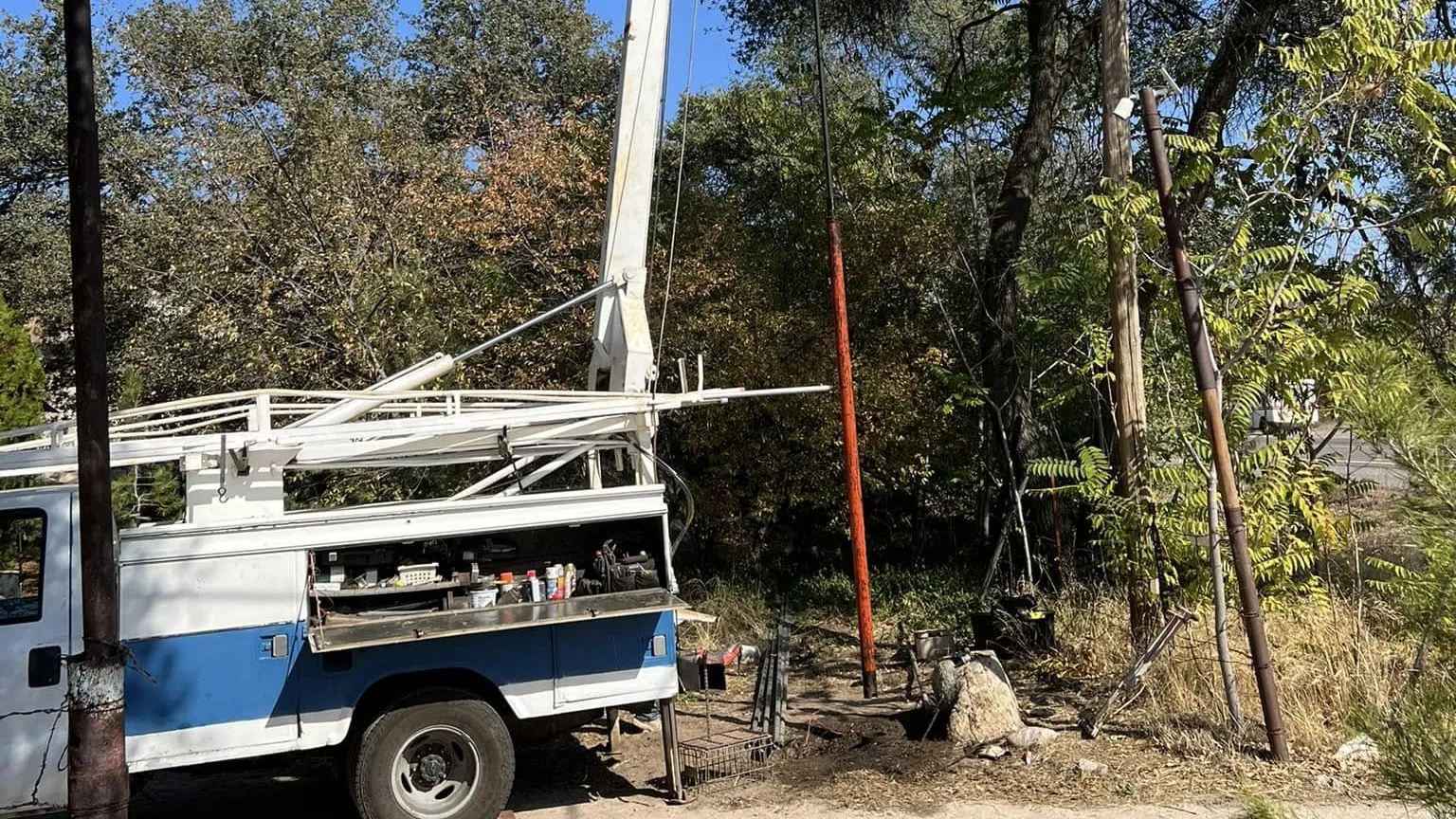
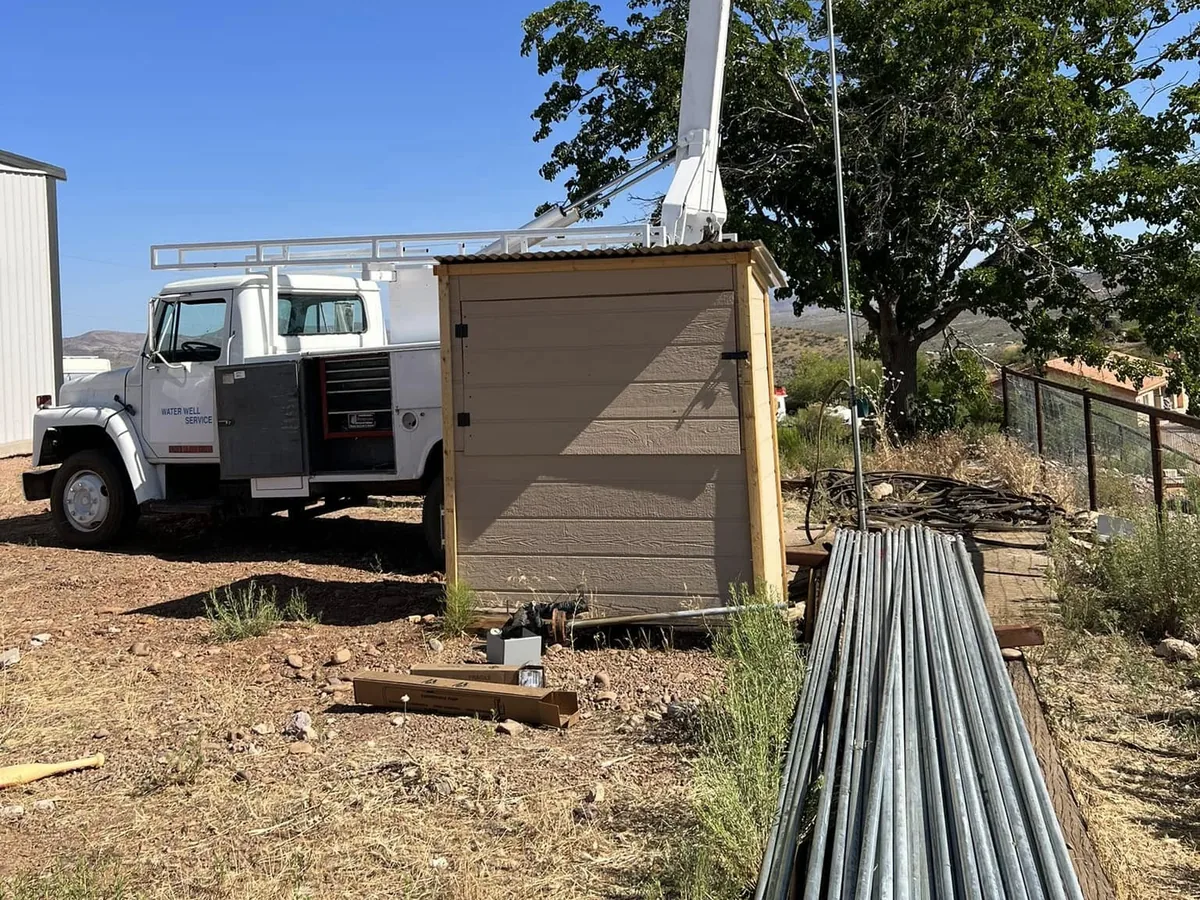
Depth changes the whole job. We pull and set pumps with our own pump hoist rig. A deep setting means a longer pull and more pipe on the mast. Depth also sizes the pump, so a replacement starts with the well's depth and yield, not the old pump's label.
Town water, private wells and the Pinal Creek cleanup
The Miami and Claypool system is a community water system run by a private company. A Gila County assessment says Arizona Water Company has supplied the town since 1955. It pumps local groundwater from wells throughout the Miami area. Most of that system runs downhill by gravity to Miami, Claypool, Central Heights and parts of Globe.
Off those lines, the well is yours. Wells in Arizona are registered with the Arizona Department of Water Resources. A notice of intention to drill goes in before a well is drilled, and a completion report is filed after. Domestic wells that pump 35 gallons a minute or less fall under the state's exempt well rules.
Mine history shows up in the shallow groundwater here, along Pinal Creek and Miami Wash. Metals and sulfate run high in that alluvial aquifer, and a long-running state cleanup covers the ground. The county assessment says private wells here are set below that shallow layer to reach cleaner water. A state-certified lab tests the sample if you want your water checked.
Low yield, storage tanks and stock water west of town
Some wells in this valley do not give much. That county assessment puts local pumping rates on the low side and uses 15 gallons a minute as its example. A low-yield well needs the pump set at the right depth. It also needs pump protection controls that shut the motor down before it runs dry.
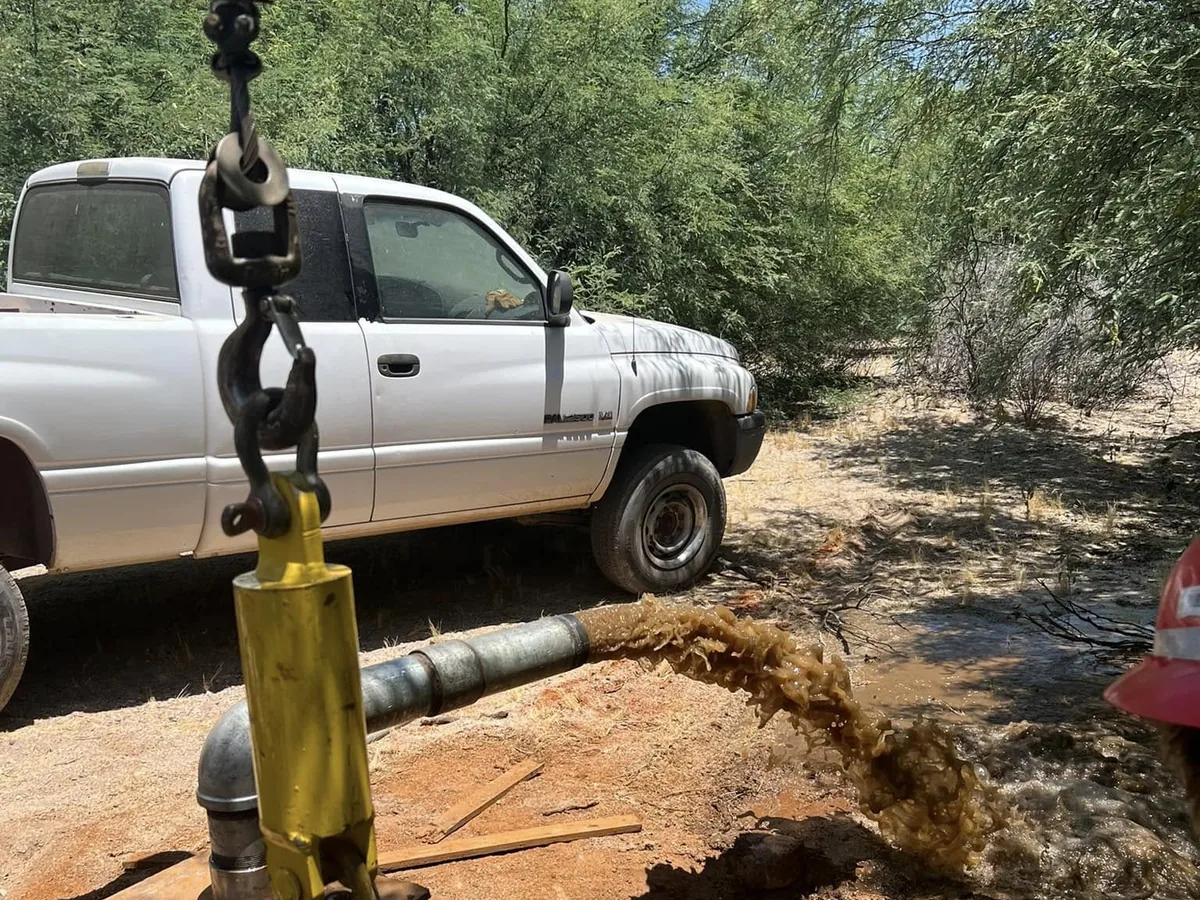
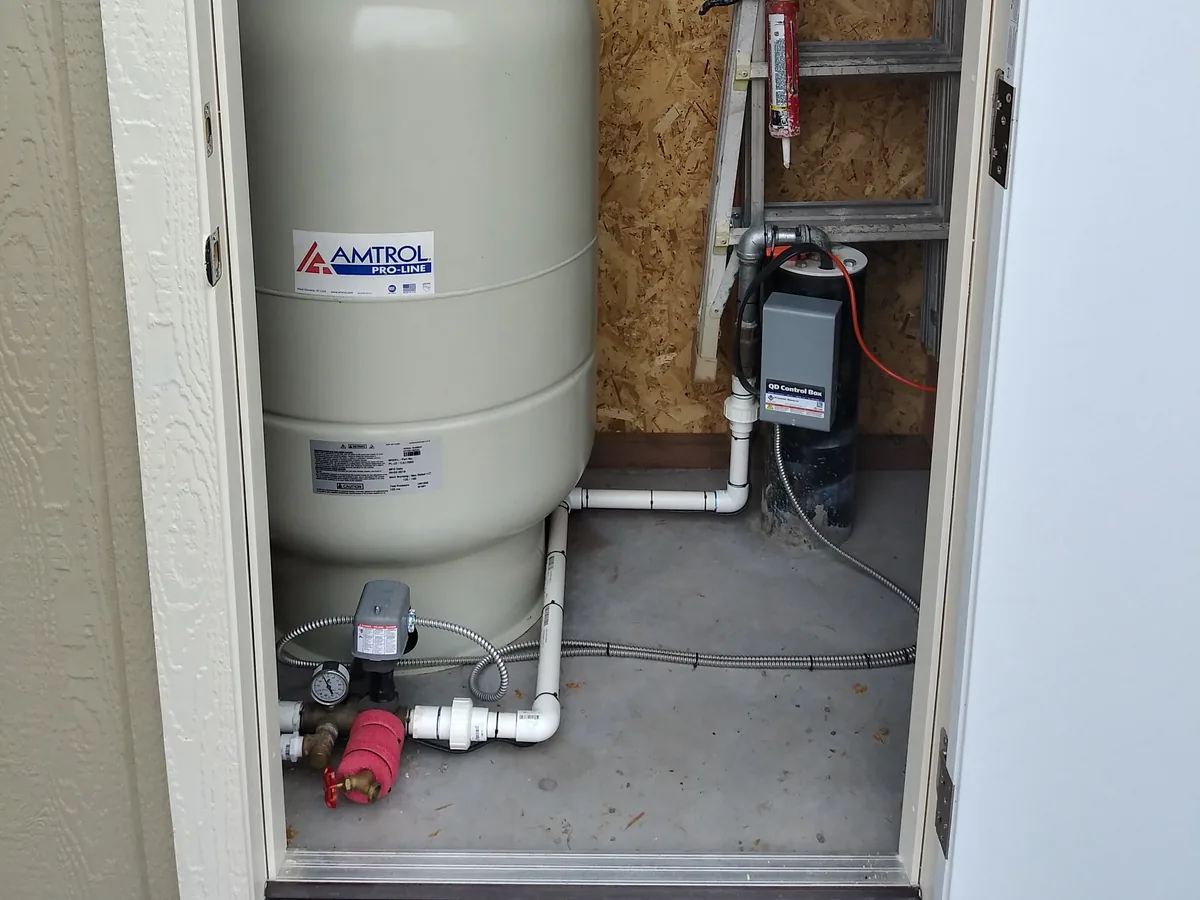
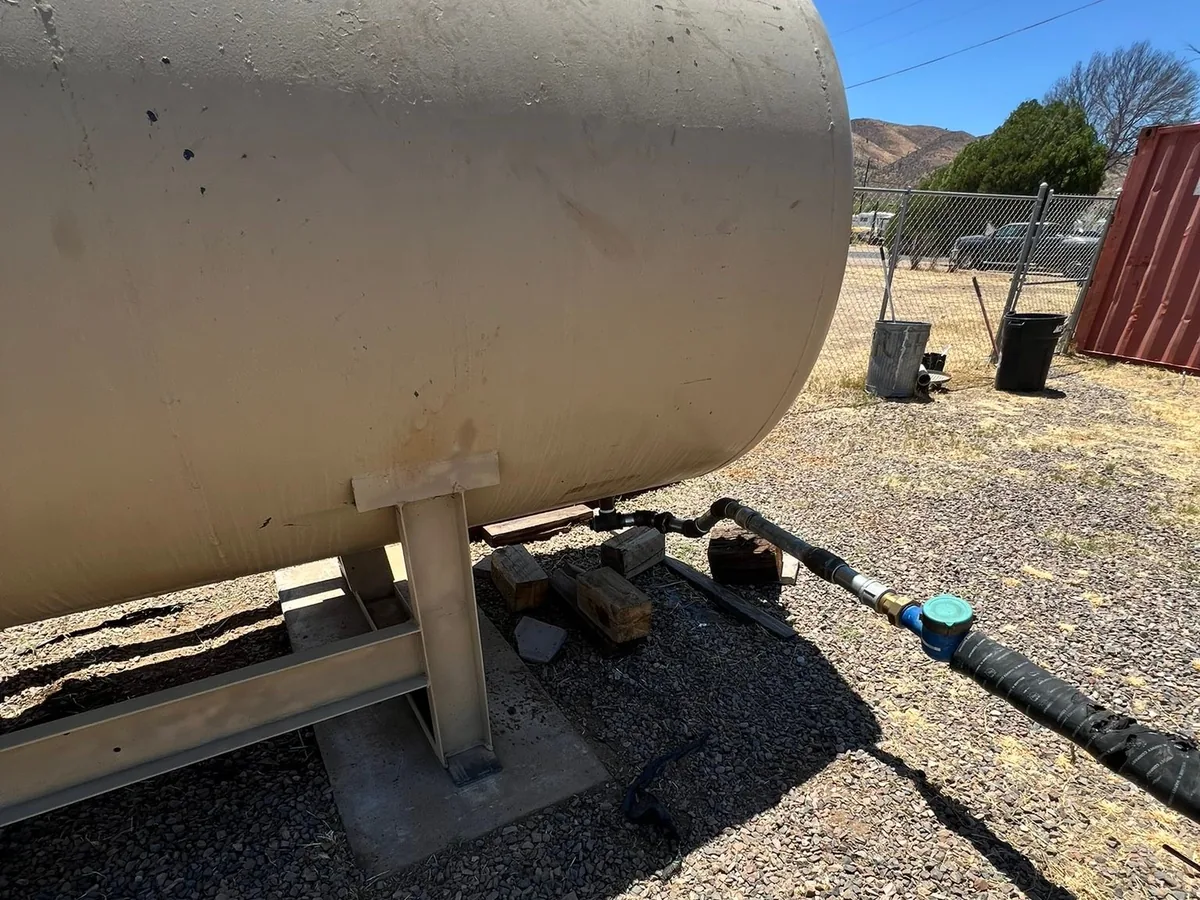
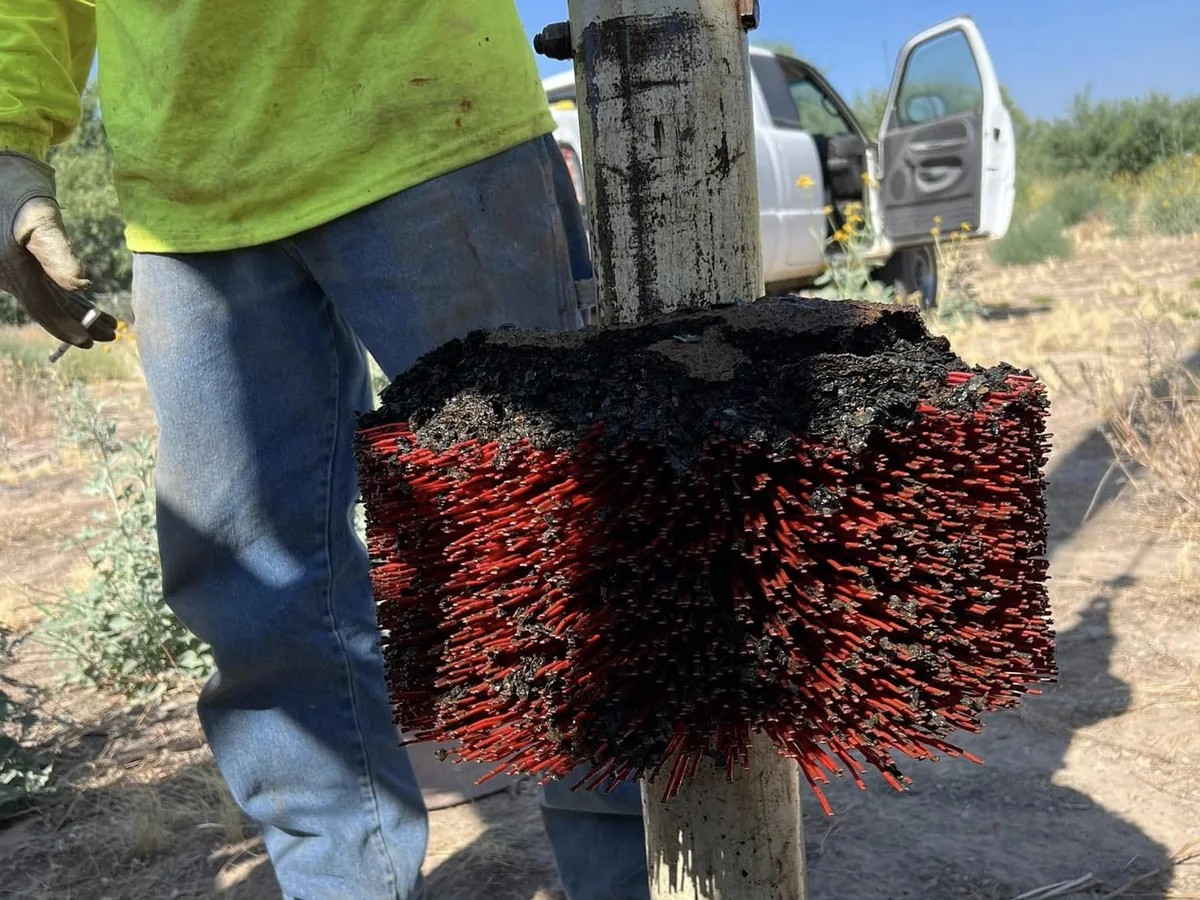
A well that has filled in with sediment gives less than it once did. In many wells, well cleaning gets some of that back. Storage is the other answer for a slow well. We install, plumb and repair water storage tanks in steel and poly, along with the float valves that control them.
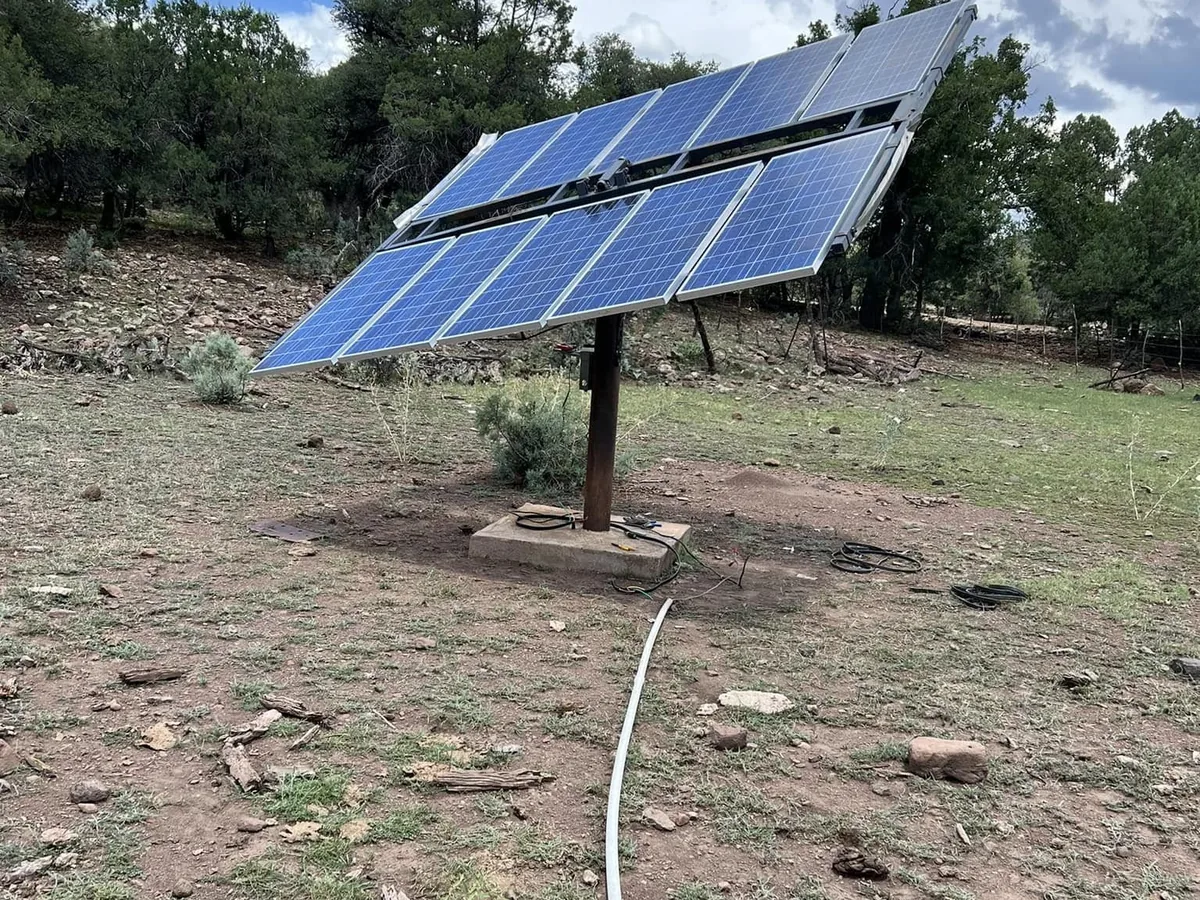
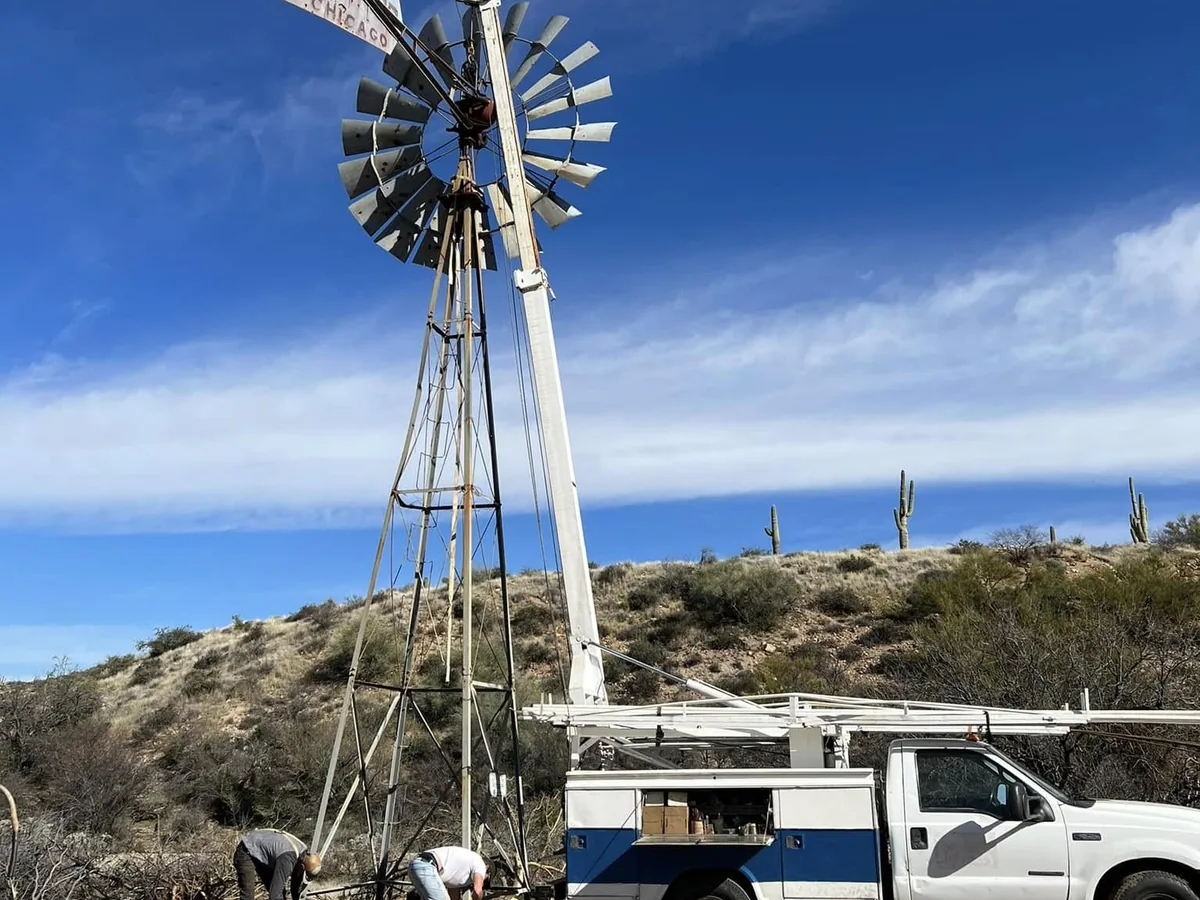
Only about 4 percent of Gila County is private land, so ranch country starts fast. West of Miami the ground climbs on US-60 toward Top-of-the-World, near 4,570 feet. Out there, solar well pumps fill a tank while the sun is up. We also service the windmills that still pump for stock.
What Miami weather does to a well pump system
Summer runs hot at this elevation and winter still freezes. Normal highs at the Miami weather station reach about 100 degrees in July and 98 in August. From December through February, about 21 nights fall to 32 degrees or below, while daytime highs stay above freezing.
That mix is hard on the parts above ground. Heat cooks a control box or a pressure switch left in full sun. An overnight freeze can split an exposed line, a gauge or a tank fitting. Insulation and a cover on that gear are part of good pressure tank work here.
Miami averages about 17 inches of rain a year, and July and August are the two wettest months. Monsoon lightning takes out pump motors, control boxes and solar controllers. Miami Wash and Bloody Tanks Wash only run after a storm. A running wash can hold up a trip out to a wellhead.
Communities and areas we serve around Miami: Claypool, Central Heights, Midland City, Lower Miami, Miami Gardens, Little Acres, Country Club Manor, Bechtel Tract, Top-of-the-World.
Miami ZIP codes served: 85539.