Who supplies water in Roosevelt, and who is on a well?
The lake is stored water behind Theodore Roosevelt Dam. The Bureau of Reclamation owns the dam and Salt River Project operates it. The houses around the shore get their water somewhere else, and for most of them that means a well.
Federal drinking water records list only a handful of systems at Roosevelt. One small community system serves about three hundred people from a well. Another treats lake water for about a hundred, and a third serves Tonto National Monument. Several older park and trailer park systems on that list are no longer active.
Most wells drilled under state rules are on file with the Arizona Department of Water Resources. That file can carry the driller's log: the depth, the casing and how the pump was set. If you have the well's registry number, have it handy when you call. We drive up Highway 188 from Globe, past Wheatfields, so tell us about the road and the gate too.
Well pump repair in the heat at the lake
The lake surface sits near 2,094 feet, so this is low desert next to Globe at about 3,500 feet. Long run averages at the Roosevelt weather station put the daily high near 102 degrees in June. July runs close to 104, and August near 102. June is also the driest month of the year here.
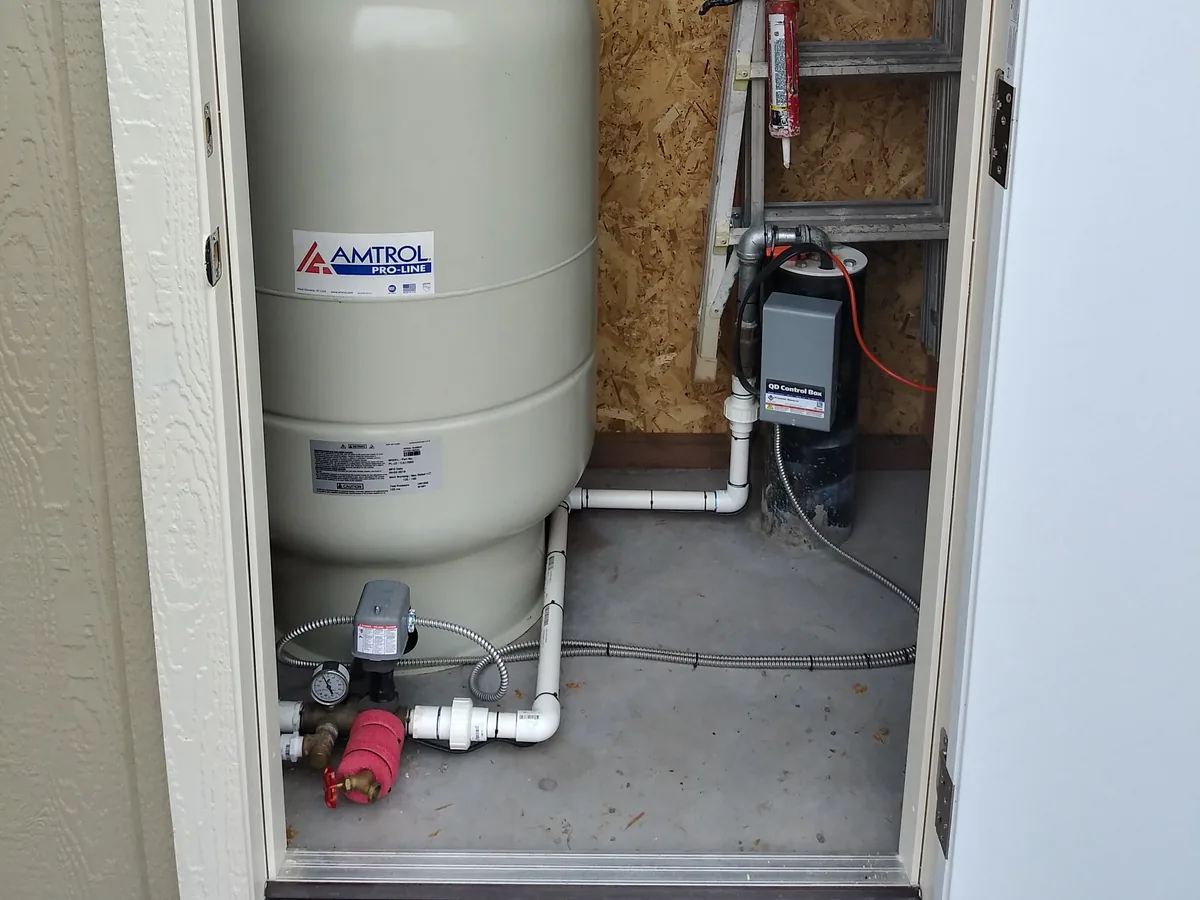
Pressure switches, gauges, control boxes and poly tanks all sit out in that sun. Sun and heat are hard on plastic and on wire insulation. When the water at the tap comes and goes, the pressure tank and switch get checked early. A tank that has lost its air charge makes the pump start and stop every few seconds.
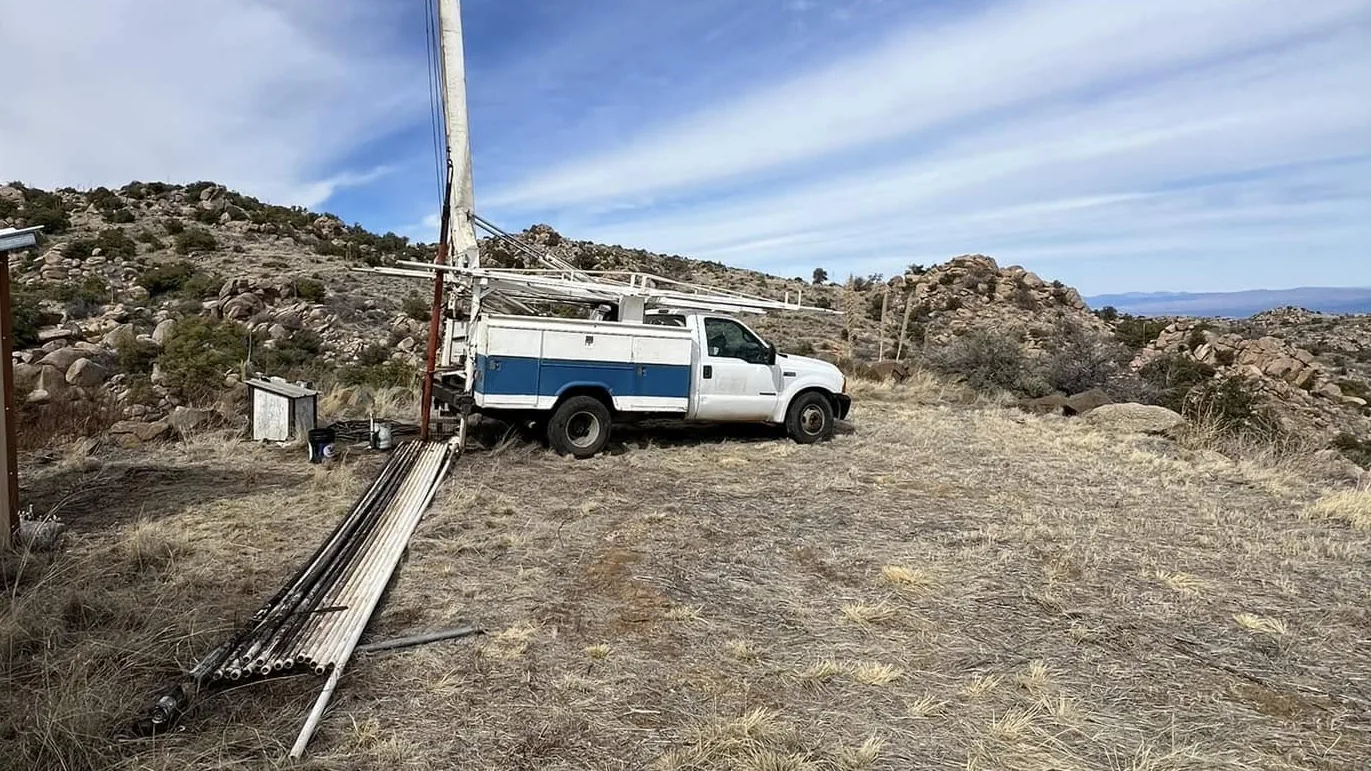
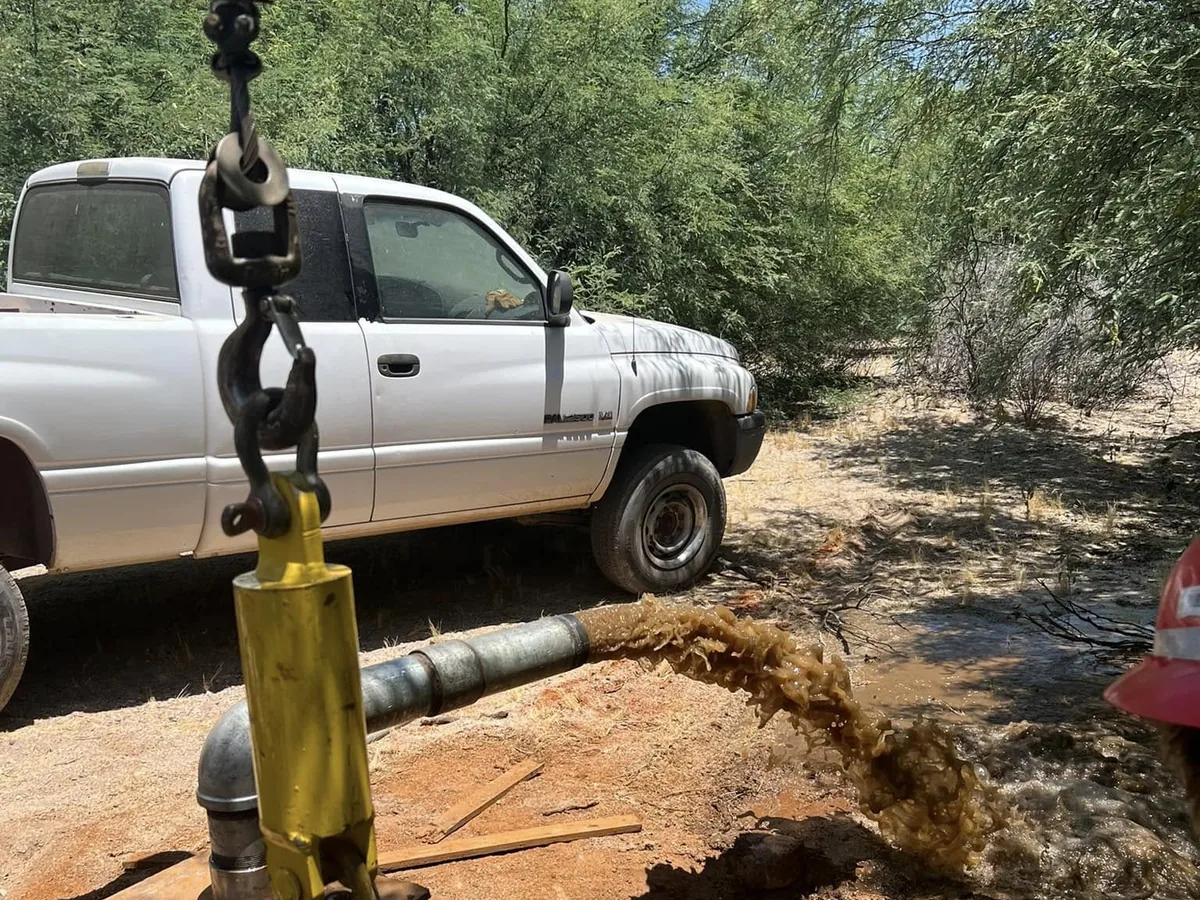
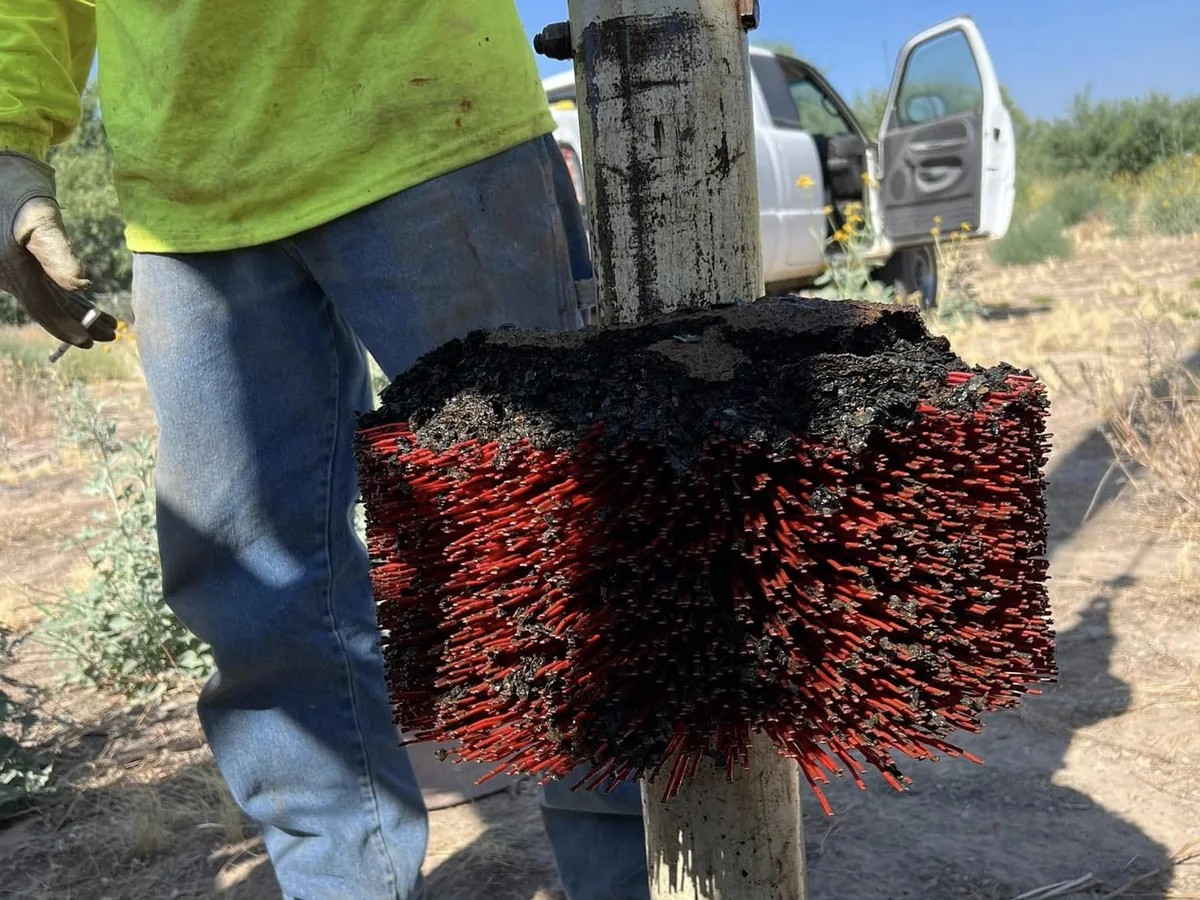
August averages just over two inches at the Roosevelt station, most of it monsoon rain. When a pump quits during one of those storms, the electrical side gets tested before anything is pulled. Pulling and resetting is done with our own pump hoist rig. When pipe or a pump has broken off down the hole, we fish it out with our own tools.
Storage tanks and slow wells around Roosevelt Lake
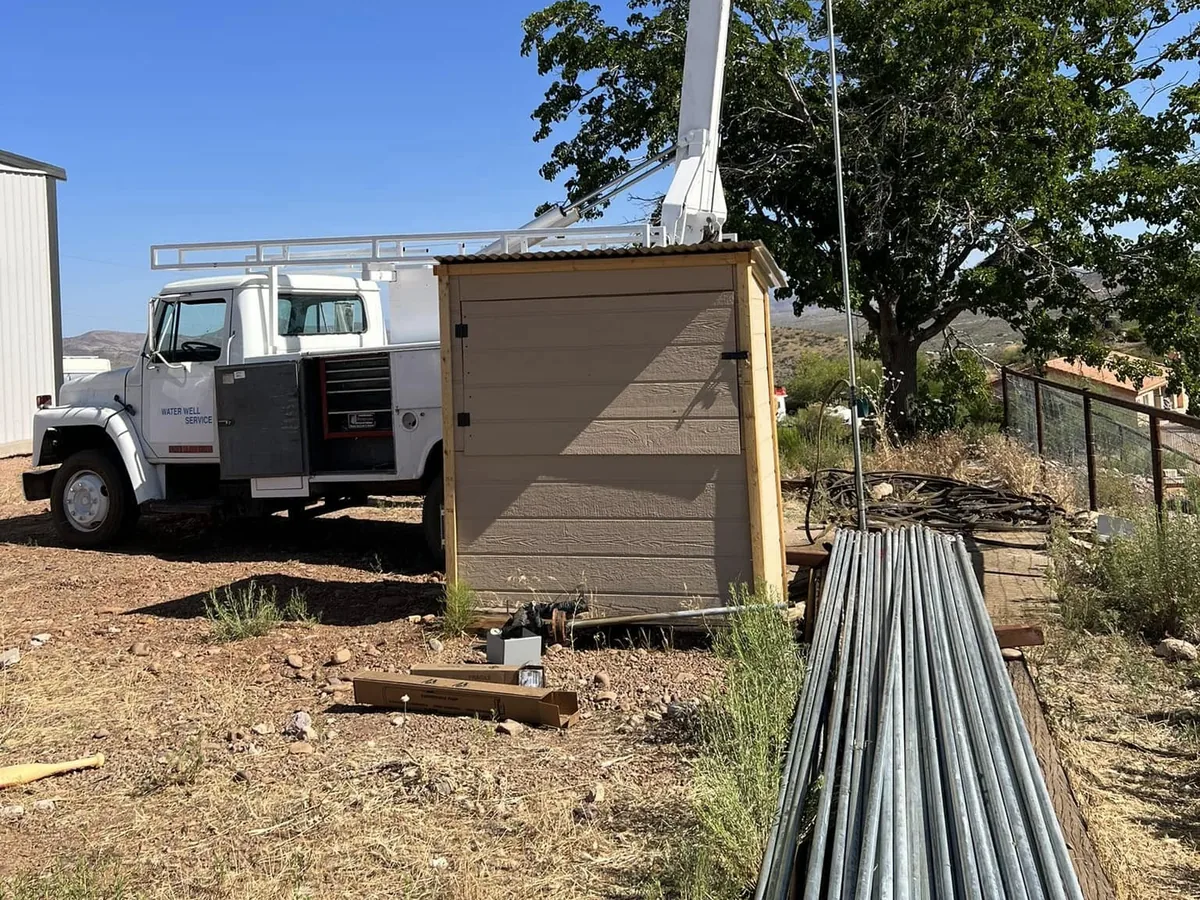
A low yield well does not have to mean low water. The well fills a water storage tank on a float switch. A booster pump and pressure tank feed the house from that tank. The well then has all day to fill the tank instead of keeping up with a shower.
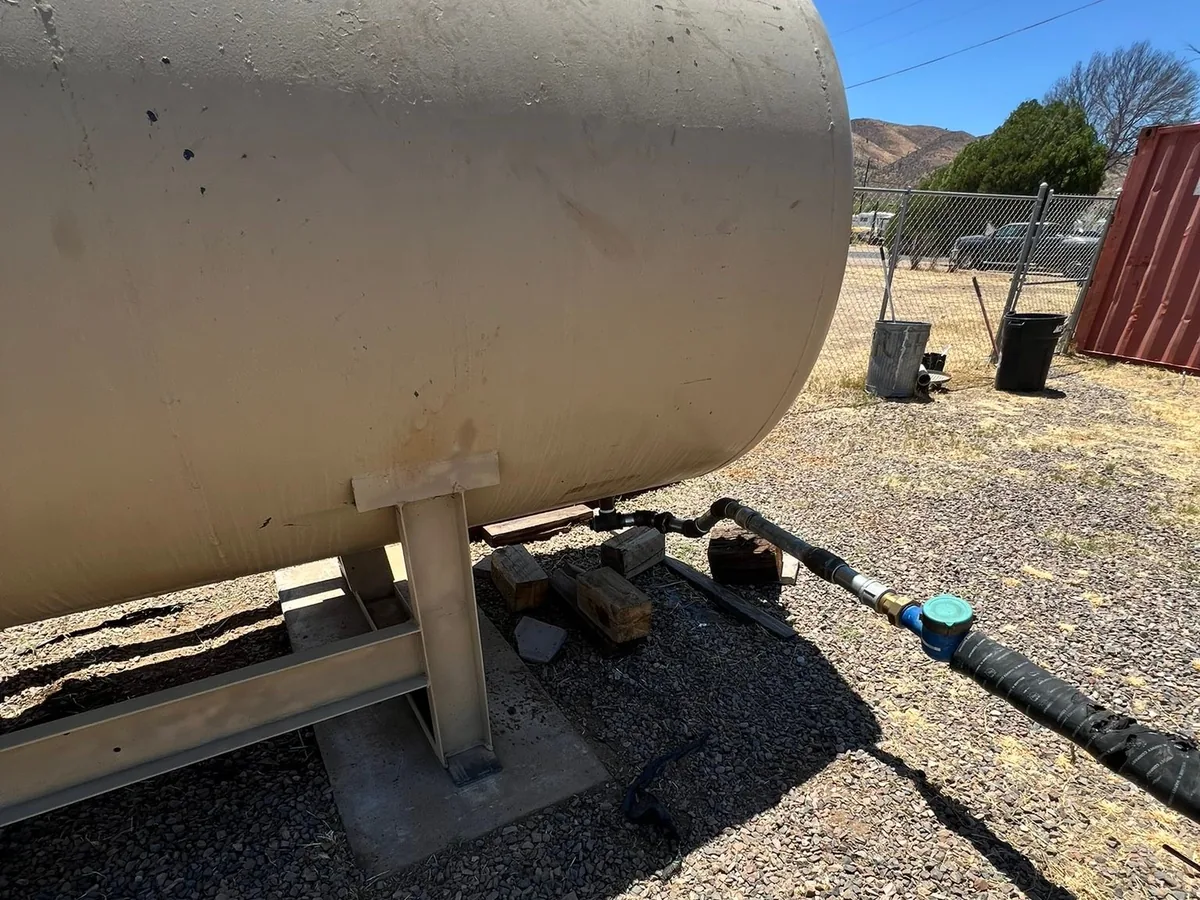
Steel and poly tanks are both out here. Poly sits in that sun all year, and sun is what ages the plastic. Steel rusts at the seams and along the bottom ring, and a tank can work loose from its stand. We patch and rebuild steel tanks, plumb them back in and paint them.
Black pipeline carries water from the tank to the house or out to a trough. We have laid pipeline runs thousands of feet long. Float valves and float switches keep a tank from running over, and a stuck float is a common find.
Ranch wells, solar pumps and windmills in the Sierra Ancha country
Most of the land around the lake is Tonto National Forest. The Tonto Basin Ranger District alone covers about 530,000 acres northwest of Globe and south of Payson. The Sierra Ancha rises north of the lake, with Tonto Basin on the west and Cherry Creek on the east.
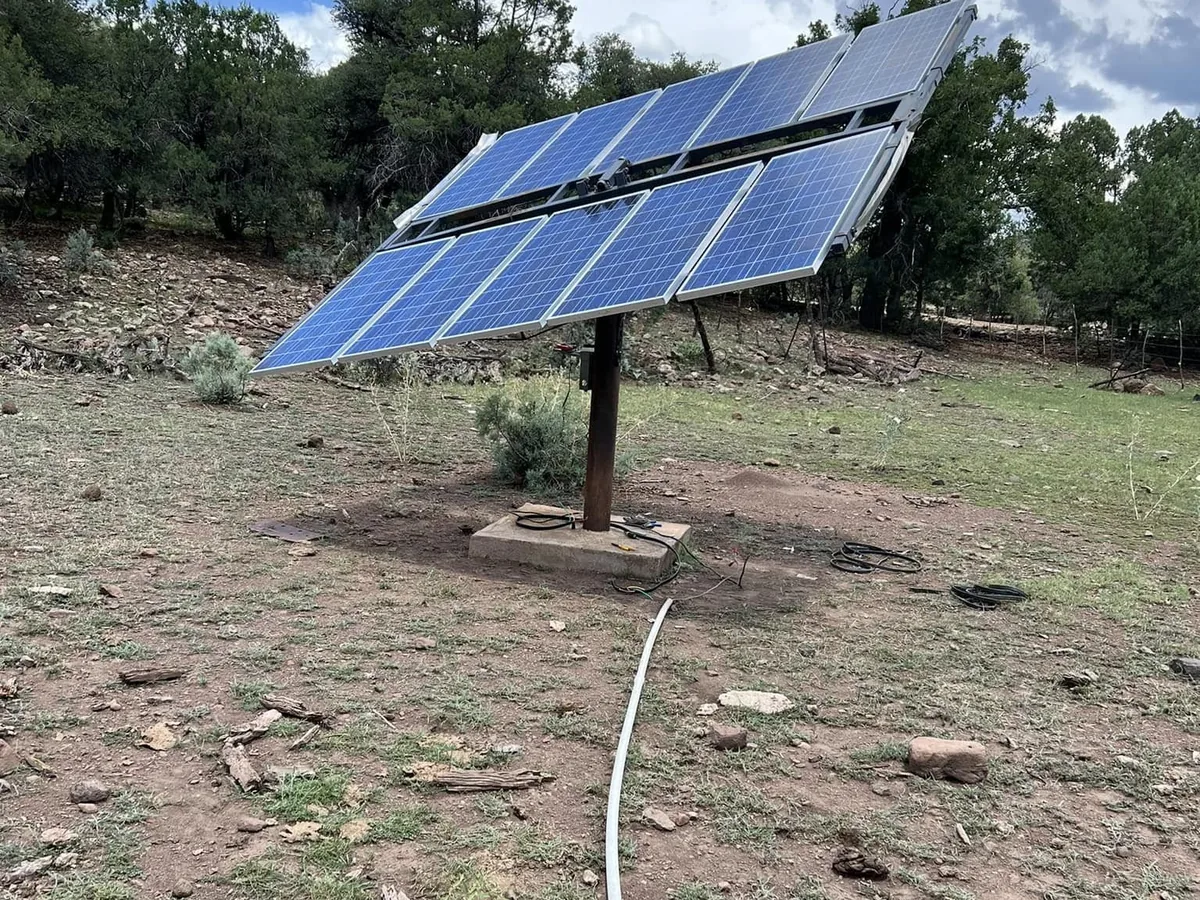
The Forest Service runs grazing permits on 104 allotments across the forest's six districts. Stock water out in that country comes from wells, storage tanks and pipeline. Running a power line to a well that far out is a project of its own. Solar well pumps are the way around it.
Panels go up at the well and a controller runs a DC submersible pump. A float switch at the tank shuts the pump off when it fills. The tank holds what the pump made while the sun was up.
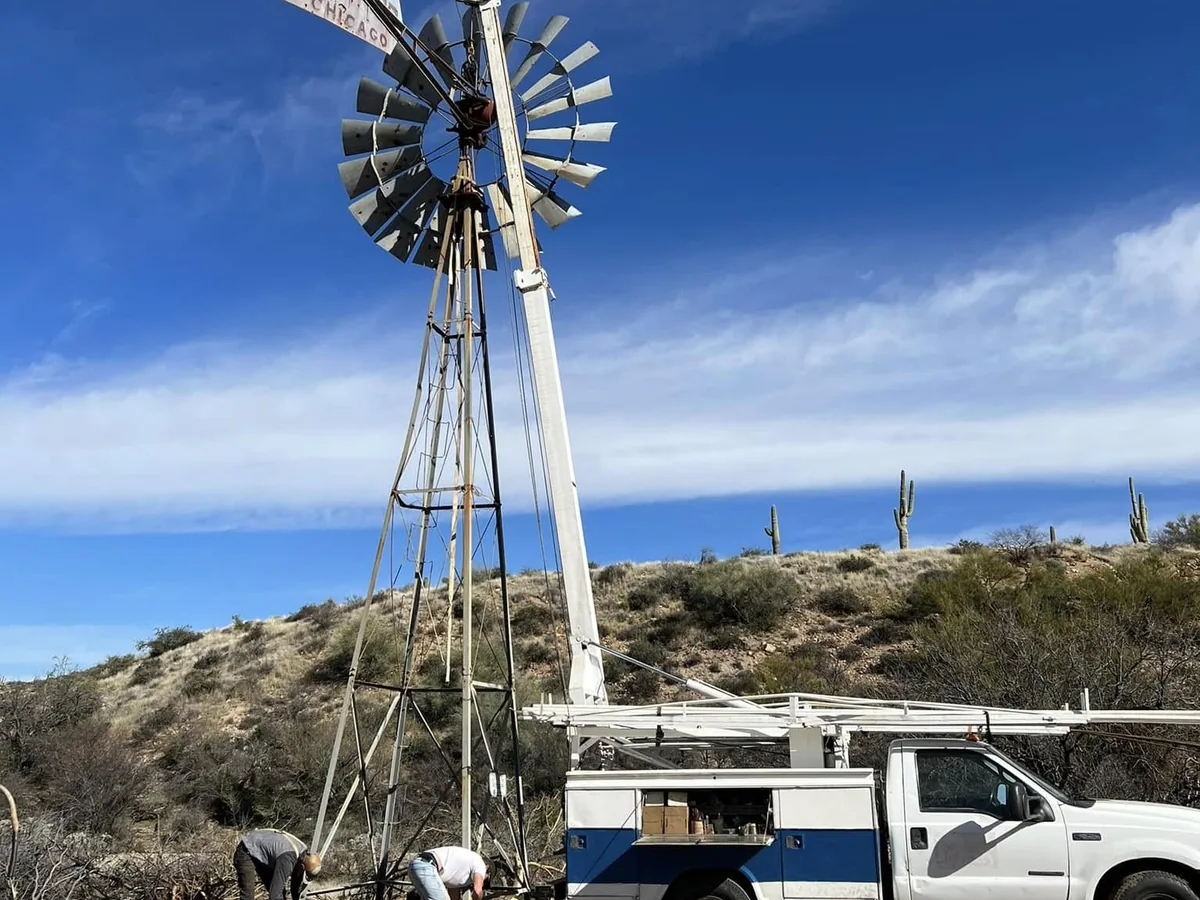
Windmill repair is still real work on the ranches in this country. The yearly gearbox oil change and new leathers in the cylinder are the usual jobs. A mill that has stood idle for years can often be put back to work. When it cannot, converting that well to solar or electric is the other answer.
Communities and areas we serve around Roosevelt: Roosevelt Estates, Roosevelt Lake Estates, Roosevelt Lakeview Park, Rock House, Wheatfields, Salome Creek, Cherry Creek, Sierra Ancha foothills, Globe Young Highway (Highway 288).
Roosevelt ZIP codes served: 85545.