What are the wells like around Winkelman?
Two rivers meet at the edge of town, and that shapes the wells. The San Pedro runs about 140 miles north from the border to join the Gila right here. Along the river the ground is floodplain alluvium, which is loose sand and gravel the water laid down. Published hydrology describes that material as being in direct connection with the stream. Water in the river bottom can sit close to the surface.
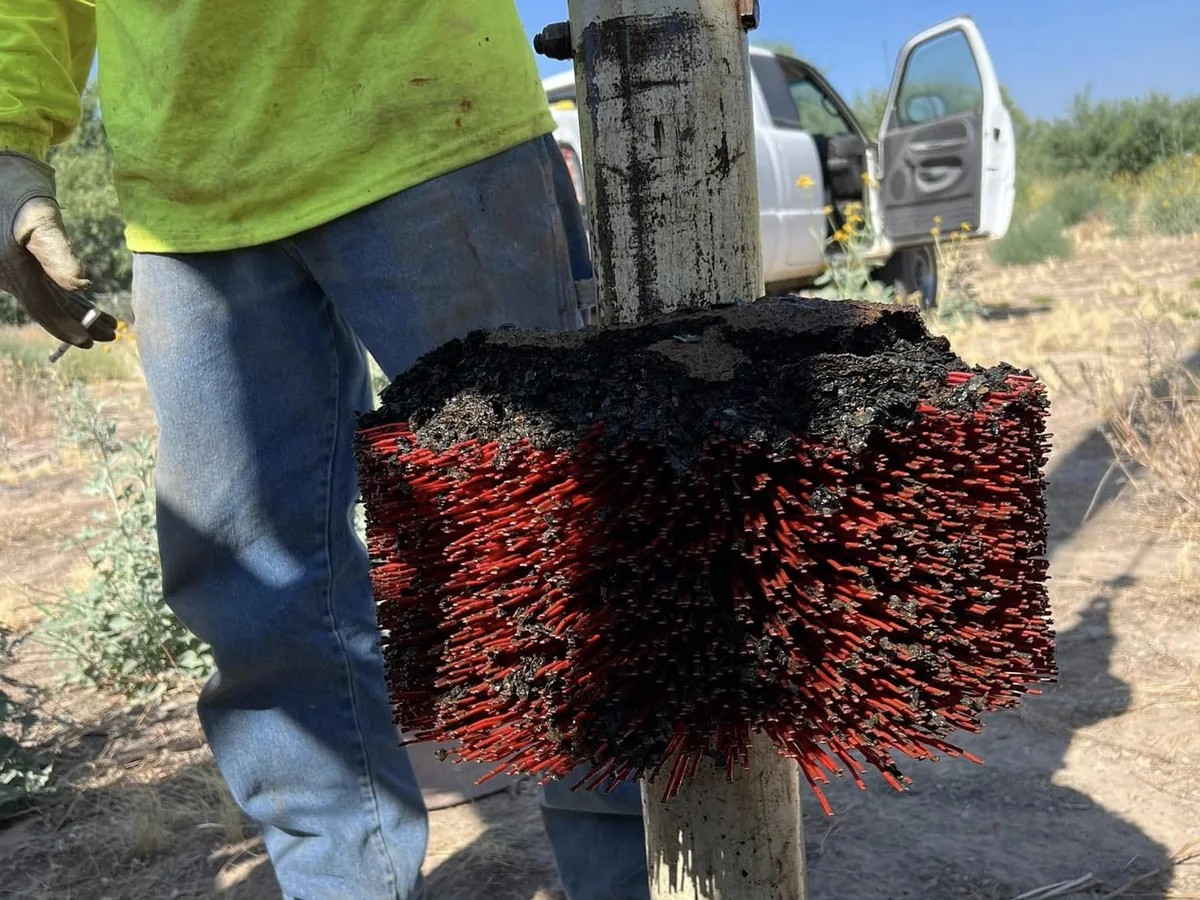
Move away from the rivers and the wells get deeper. Up on the benches and out toward the Mescal Mountains and Saddleback, wells go down into basin fill and rock. The same is true north up the Dripping Springs country. That spread in depth is what drives a pump job here. A shallow river bottom well and a deep bench well need different pumps and pipe. They need different wire too.
Sand is the other local fact. River bottom wells pull sand, and sand wears impellers and shortens the life of a pump. Wells here also fill in with sediment over the years, which costs you depth and yield. When that happens, cleaning the well out and test pumping it shows what is really down there. Old steel casing rusts through down here too. When steel casing has corroded through, a liner is sometimes the answer, and we tell you whether your well is a candidate.
Well pump repair on the Gila and San Pedro river bottoms
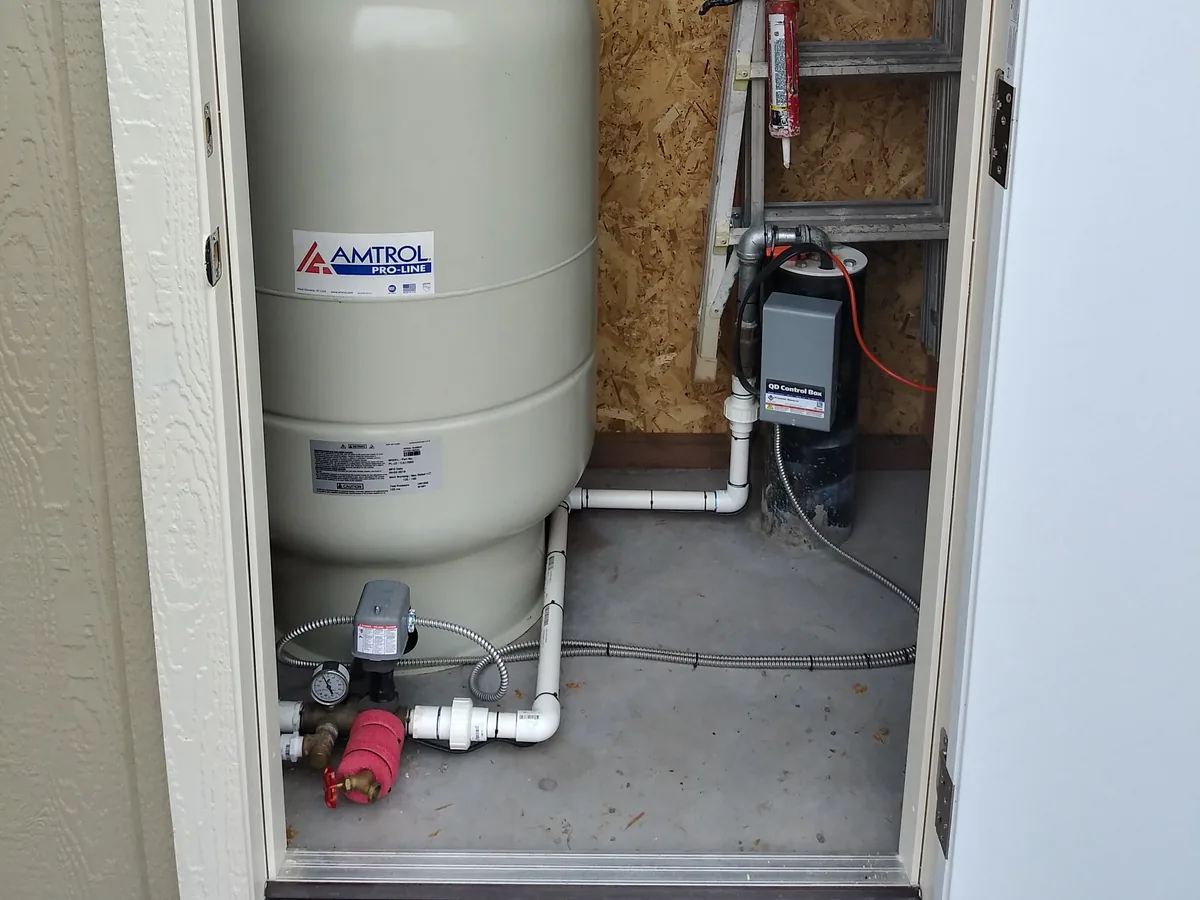
Most calls start the same way. The faucet opens and nothing comes out. Or the pump kicks on and off every few seconds. Or the breaker keeps tripping and the water is spitting air. We test the electrical side before anything gets pulled. That means the pressure switch, the control box, the wiring and the motor's readings.
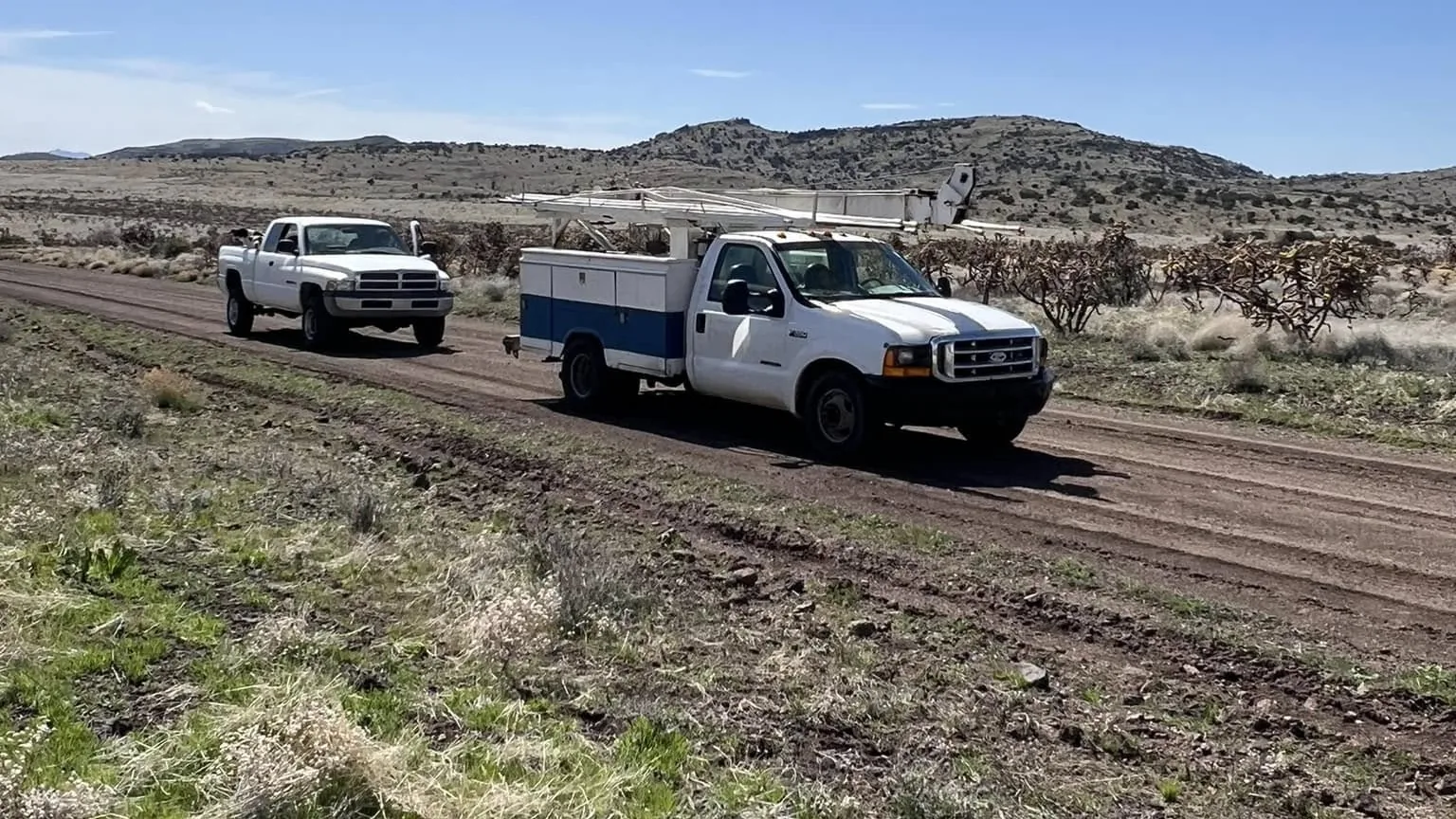
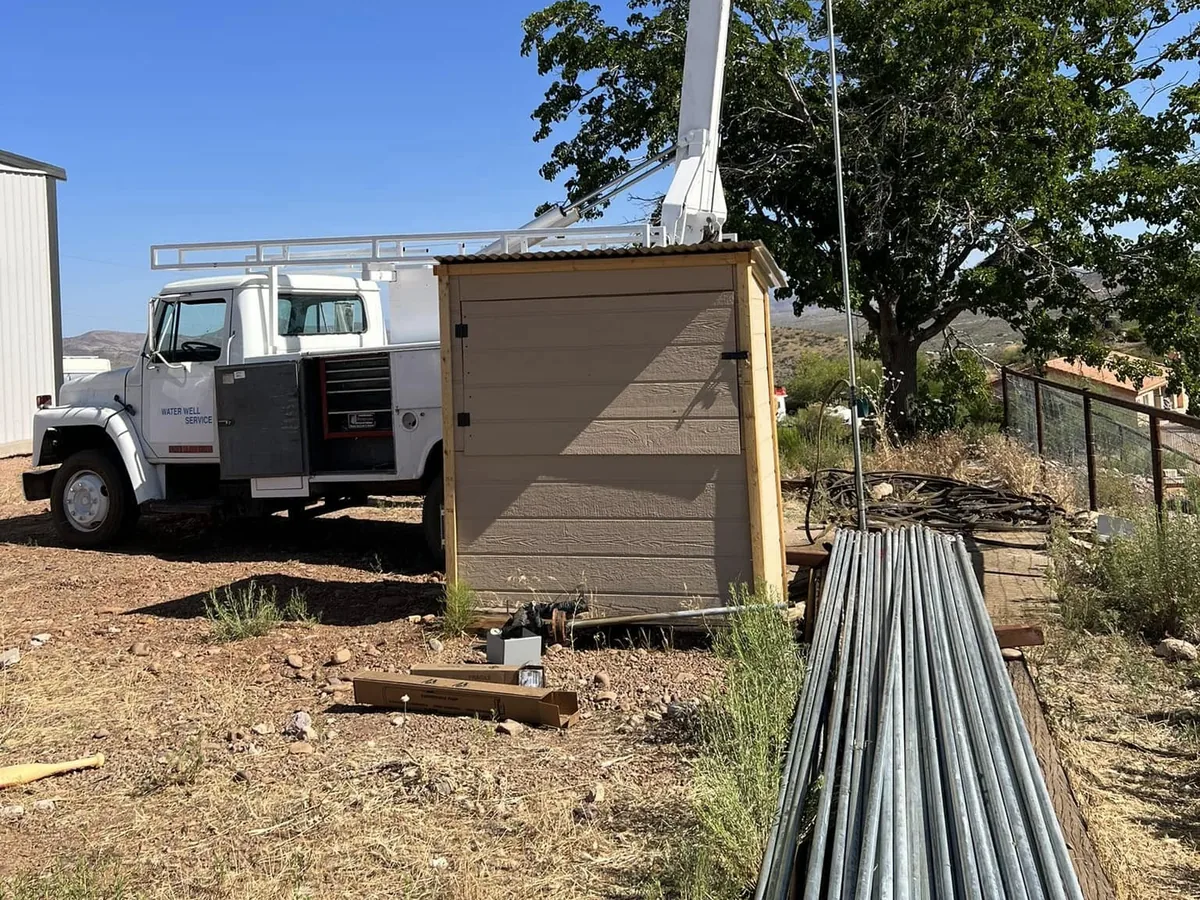
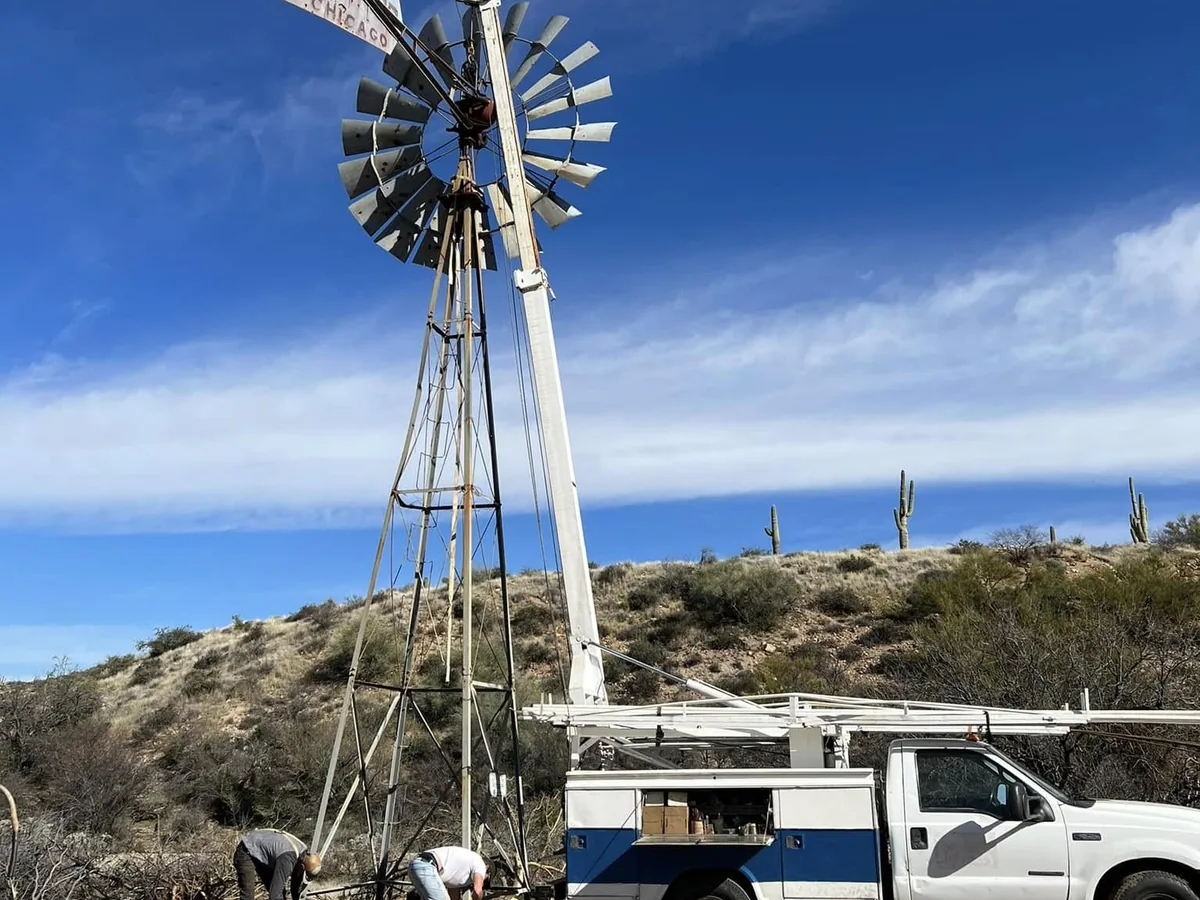
If the pump has to come out, we bring our pump hoist rig. The mast pulls the drop pipe and the pump up out of the casing. While it is out we look at the pipe, the wire, the check valves and the fittings. Worn parts get replaced then, because they are already up on the deck. The pump goes back in at the right depth for that well.
Pumps and pipe break off down the hole. Old galvanized drop pipe corrodes, and a pump can end up more than 100 feet down a well. We fish those out with our own fishing tools. We have also found new pumps set above the water level, which never pumped until they were reset lower. A well more than 20 years old starts needing repairs. The scope of work gets explained before those repairs are made.
Stock water, solar pumps and windmills south toward Dudleyville and Aravaipa
South of Winkelman the land is farm and ranch country. Dudleyville sits down the San Pedro in Pinal County and shares the 85192 ZIP with town. Aravaipa Creek comes out of the Galiuro Mountains and joins the San Pedro a few miles below Dudleyville. River bottom irrigation wells in this country can produce well. We have test pumped river bottom wells at several hundred gallons per minute. Every well is its own well, and testing is how you find out.
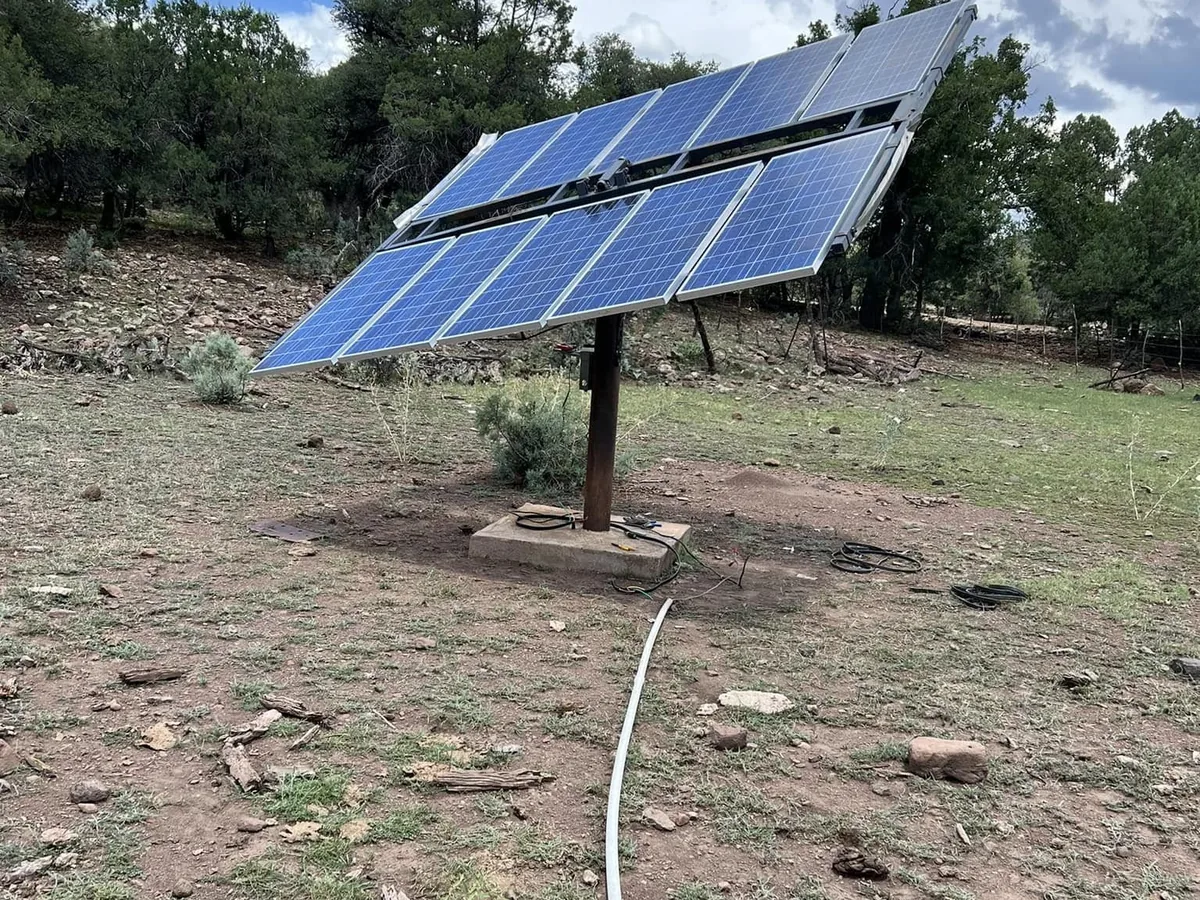
Out past the pavement the water is often a long way from a power pole. That is why so many of these wells run on sun or wind. A solar setup pumps into a storage tank while the sun is up. A float switch shuts it off when the tank fills. We install and repair solar well pumps on stock wells and off-grid houses. We also service windmills. That covers the yearly gearbox oil change and new leathers and check valves in the cylinder. Pulling sucker rod and drop pipe is part of it too.
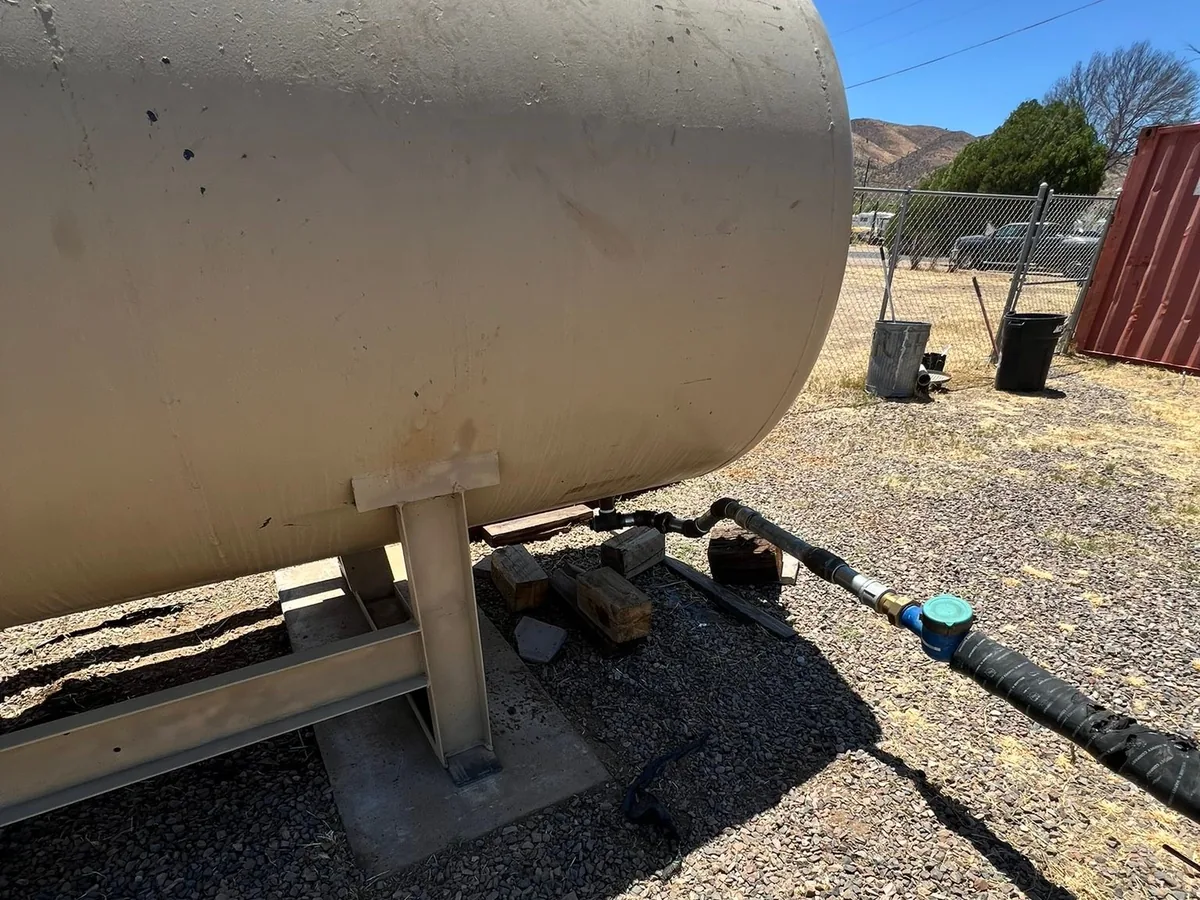
The tank is half the system out here. We repair and rebuild steel water storage tanks and patch rusted ones. We re-plumb them to the well and out to the troughs. We run black pipeline to tanks and troughs when a line fails. A home or a herd with no water moves to the front of the schedule.
Town water, private wells and the well records in Winkelman
Winkelman has been a river town a long time. Farmers came to this stretch in 1877 and 1878. The railroad reached it and a post office opened in 1903. Copper has carried the local economy for most of the years after that. The Luten bridge over the Gila went up in 1916 and is still a landmark.
The river has a history of its own. In January 1993, storms filled San Carlos Lake and the release from Coolidge Dam reached 32,700 cubic feet per second. Reports at the time put that at about seven times the expected maximum release. Winkelman Flats, the low ground cut off from town by AZ-77, was evacuated when a dike gave way.
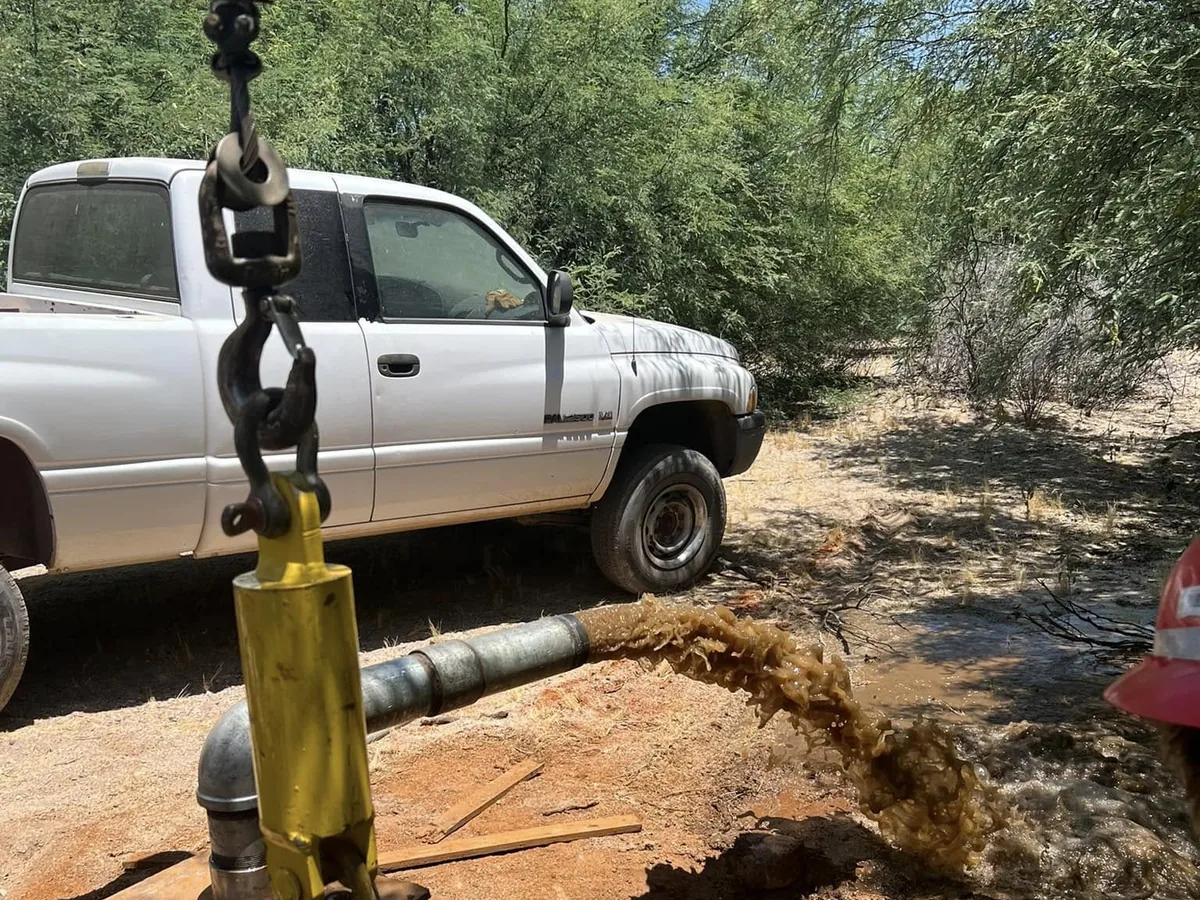
Flood years move sediment, and a well can end up full of muck. After work on a well down here, the first water often comes out dark before it clears. Most wells in Arizona are on record with the Arizona Department of Water Resources. The registration number and the driller's log tell us how deep the well went and what the driller hit. Bring those numbers to the call if you have them.
Communities and areas we serve around Winkelman: Winkelman Flats, Dudleyville, Hayden, Dripping Springs, El Capitan, Aravaipa Valley, Kelvin, San Pedro River valley, Gila River bottom.
Winkelman ZIP codes served: 85192.